The Future of Comfort: Ducted Heating in 2025

The Future of Comfort: Ducted Heating in 2025

Uncommonly High Energy Bills: An Indicator


When the winter chill sets in and you discover yourself gathered up in layers of apparel inside your home, the last point you desire is the shock of an abnormally high power expense. Maximize Warmth: Expert Ducted Heating Setup Tips . Its a scenario that several home owners face, and it frequently functions as an indication that something is amiss with the furnace. If your power costs have been approaching without a clear description, it could be time to think about the problem of your present heating unit and the possible requirement for a brand-new ducted heating installation. Below are 5 reasons this could be the instance:


  1. Ineffective Heater: Older heater or those that have actually not been routinely kept can shed their effectiveness in time. Inefficient systems have to work more difficult and run longer to create the exact same amount of heat, taking in more power and causing those unusually high costs.


  2. Poor Insulation and Ductwork: Your furnace might be healthy, however if your home's insulation is insufficient or the ductwork is leaking, youll lose a considerable amount of warm. This makes your system work overtime to make up for the loss, thus elevating your power expenses. A new ducted heating installation might make sure that your home is correctly secured and shielded, reducing power wastage.


  3. Zoned Heating Control: Modern ducted furnace feature the benefit of zoned heating control, allowing you to warm just the areas of your home that are in usage. If youre heating your entire home without this attribute, youre most likely using a lot more power than needed. A brand-new system can provide the ease and efficiency of targeted heating.


  4. Outdated Modern technology: Heating technology has actually come a long way in recent years, with more recent systems flaunting higher performance rankings and smarter power usage. If your heating system is decades old, it likely doesn't use the advancements in innovation that can be conserving you money on your energy bills.


  5. Regular Services: Are you continuously calling the specialist to repair your heating system? Not only are you sustaining the expenses of fixings, however a system that requires constant repairing likely isn't operating at peak performance. Investing in a new ducted heating installation may feel like a substantial ahead of time expense, but it can save you cash in the long run by getting rid of the requirement for continuous repair work and reducing your energy bills.
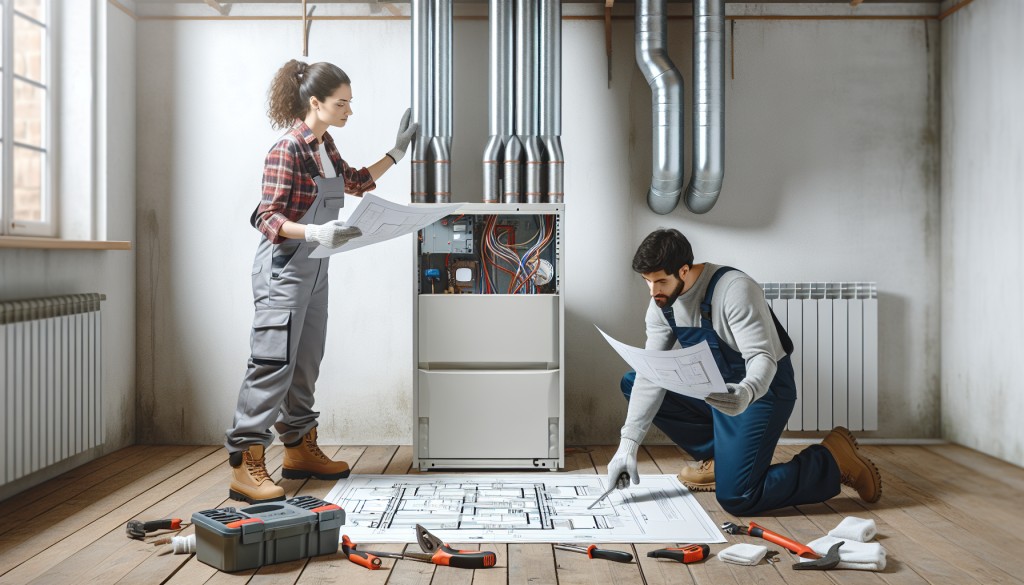


High power bills are more than simply a stress on your purse-- theyre a clear indicator that your current heating system could not depend on the task of providing affordable, comfy warmth throughout the

Cold Spots and Inconsistent Temperatures Throughout Your Home


If youve ever found yourself reaching for a sweater in one room, just to drop layers upon going into an additional, you could be experiencing the frustrating problem of cold places and inconsistent temperature levels throughout your home. This is greater than simply a minor aggravation; its a clear sign that your present furnace isn't doing its job efficiently, and it could be time to consider a ducted heating installation.


Cold places usually take place when your furnace is not able to distribute cozy air evenly throughout your house. This can be as a result of a variety of reasons, such as inadequate insulation, leaks in your ductwork, or an aging cooling and heating system that merely angle stay on top of the demands of your space. Irregular temperatures can additionally be a sign of an improperly sized heating system that struggles to keep a consistent environment, or one thats not zoned properly for your homes layout.


Living with these temperature inconsistencies can not just affect your convenience however also your health, as it can aggravate issues like colds and respiratory system issues. Moreover, its a sign of ineffectiveness thats likely shown in your power bills. When your system has to work more difficult to heat your home, it takes in extra power, resulting in greater prices and raised deterioration on the device itself.
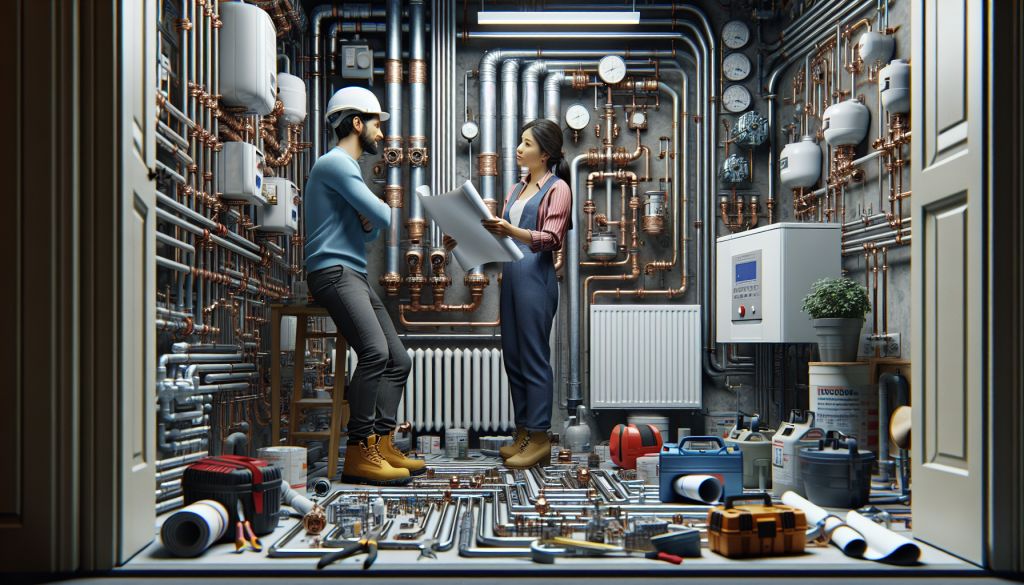

The remedy to this problem might depend on the installation of a new ducted heating unit. Ducted heating uses a seamless and reliable method to heat every corner of your home. With a network of ducts hidden in your floorings or ceilings, warm air is pressed into each space with vents, making certain also temperatures and removing those pesky cool spots.


A well-designed ducted system can also include zoning abilities, enabling you to warmth certain locations of your home as needed. This implies you can preserve a comfortable temperature level in your living-room throughout the day and just heat the bed rooms during the night, which can significantly reduce your power usage and prices.


In addition to providing regular warmth, modern-day ducted heating systems are also furnished with filters that purify the air, reducing dirt and irritants and contributing to a healthier living setting. And with the most recent innovation, you can enjoy functions like programmable thermostats and smart controls that allow you to manage your homes temperature easily, also when youre away.


Finally, if youre often troubled by cool places and irregular temperature levels in your house, its most likely an indication that your heater is stopping working to meet your needs. Rather than choosing a life of layering and location-based convenience

The Age of Your Current Heater: Out with the Old, In with the New


When we speak about the age of your current heating system, we discuss a pivotal facet of home maintenance that frequently goes undetected up until its too late. The old expression "" out with the old, in with the new"" rings specifically true when it concerns ducted heating installations. As time marches on, even one of the most dependable systems start to show their age, resulting in inadequacy, enhanced prices, and discomfort. In this context, lets explore 5 signs that indicate the urgent demand for a new ducted heating installation.


To start with, consider the age of your current system. Heater generally have a lifespan ranging between 15 to twenty years, relying on upkeep and brand top quality. If yours is within this age brace or older, its due time to consider an upgrade. Aging systems are susceptible to malfunctions and can end up being less power effective, failing to offer the required heat or doing so at a greater operational expense.


Secondly, rising power bills are a dead giveaway. If youve saw a sudden spike in your utility costs without a corresponding boost in use, your system is most likely working overtime to make up for its declining performance. This is a clear indicator that your heater is on its last legs and a more recent, extra energy-efficient design can save you money in the long run.


Third, pay attention to the audios your system makes. Strange sounds such as knocking, clanking, or whirring suggest that numerous components might be broken or malfunctioning. These audios can be the death knell for an old system, indicating that replacement parts might no longer be sufficient or cost-efficient.


Additionally, irregular heating throughout your home mean a hidden issue with your ducted system. If some rooms are also warm while others remain cold, your heating unit is having a hard time to distribute air uniformly. This inefficiency not only impacts your comfort however likewise mirrors the lessened ability of your aging system.


Ultimately, consider the frequency of repair services. If you locate yourself regularly calling specialists to fix reoccuring issues, its similar to restoring a sinking ship. The price and trouble of repair work can promptly accumulate, making the financial investment in a brand-new ducted heating unit a lot more economical and much less stressful.


To conclude, identifying the age of your heating system and following these indication can conserve you from the attacking chilly and unanticipated expenditures. Accepting the concept of "" out with the old, in with the new"" is not practically staying on par with the most recent innovation; its concerning ensuring

Frequent Repair Services and Upkeep Issues: When Sufficient suffices


When it pertains to preserving a comfortable home, your heating system plays a crucial duty, especially throughout the colder months. One vital element of this system is the ductwork, which is accountable for distributing warm air throughout your home. However, like any type of various other component of your home, your ductwork is subject to wear and tear in time, causing constant repair work and maintenance concerns. Yet how do you recognize when these repairs are a sign that its time for a ducted heating installation? Below are 5 signs that suggest it may be time to take action.


  1. Climbing Power Expenses: If youve noticed your power costs approaching without a matching boost in use, it could be an indicator of ineffectiveness in your ducted heater. Air ducts with leaks, openings, or bad insulation can considerably decrease your systems performance, triggering your heating system to function more difficult and boost your power costs. If fixings are no longer cutting it, a new ducted heating installation might be the more cost-efficient option in the long run.


  2. Irregular Heating: Are some rooms in your home constantly as well chilly while others are too hot? This could be as a result of problems with your ductwork, such as obstructions, leaks, or bad layout. If youve had these problems attended to numerous times without lasting improvement, it's a clear indication that your current system is not able to distribute heat uniformly, and a brand-new ducted heating system might be essential.


  3. Age of the System: Heating unit typically have a lifespan of 15-20 years, depending upon the high quality of the installation and routine upkeep. If your system is approaching or has exceeded this age, and youre dealing with constant break downs or upkeep problems, its likely time for an upgrade. More recent systems are a lot more effective and trusted, possibly conserving you from the headache of constant repair work.


  4. Poor Air High quality: If youve noticed a boost in dust or a decline in air top quality inside your home, maybe because of compromised ductwork. Aging air ducts can accumulate dirt and other allergens, and also become a breeding ground for mold and mildew if wetness is present. If cleansing and fixings have not enhanced the scenario, its a strong indication that your air ducts are beyond their service life, and a brand-new system remains in order.


  5. Unusual Sounds: Your heating system should run relatively quietly. If you hear rattling, humming, or whistling sounds coming from your air ducts, its frequently a sign


An oil furnace

A furnace (American English), referred to as a heater or boiler in British English, is an appliance used to generate heat for all or part of a building. Furnaces are mostly used as a major component of a central heating system. Furnaces are permanently installed to provide heat to an interior space through intermediary fluid movement, which may be air, steam, or hot water. Heating appliances that use steam or hot water as the fluid are normally referred to as a residential steam boilers or residential hot water boilers. The most common fuel source for modern furnaces in North America and much of Europe is natural gas; other common fuel sources include LPG (liquefied petroleum gas), fuel oil, wood and in rare cases coal. In some areas electrical resistance heating is used, especially where the cost of electricity is low or the primary purpose is for air conditioning. Modern high-efficiency furnaces can be up to 98% efficient and operate without a chimney, with a typical gas furnace being about 80% efficient.[1] Waste gas and heat are mechanically ventilated through either metal flue pipes or polyvinyl chloride (PVC) pipes that can be vented through the side or roof of the structure. Fuel efficiency in a gas furnace is measured in AFUE (Annual Fuel Utilization Efficiency).

Etymology

[edit]

The name derives from Latin word fornax,[2] which means oven.

Categories

[edit]

Furnaces can be classified into four general categories, based on efficiency and design, natural draft, forced-air, forced draft, and condensing.

Natural draft

[edit]
A cutaway diagram of a Lamneck central heating gas furnace.
Diagram of natural draft gas furnace, early 20th century.

The first category of furnaces is natural draft, atmospheric burner furnaces. These furnaces consisted of cast-iron or riveted-steel heat exchangers built within an outer shell of brick, masonry, or steel. The heat exchangers were vented through brick or masonry chimneys. Air circulation depended on large, upwardly pitched pipes constructed of wood or metal. The pipes would channel the warm air into floor or wall vents inside the home. This method of heating worked because warm air rises.

The system was simple, had few controls, a single automatic gas valve, and no blower. These furnaces could be made to work with any fuel simply by adapting the burner area. They have been operated with wood, coke, coal, trash, paper, natural gas, fuel oil as well as whale oil for a brief period at the turn of the century. Furnaces that used solid fuels required daily maintenance to remove ash and "clinkers" that accumulated in the bottom of the burner area. In later years, these furnaces were adapted with electric blowers to aid air distribution and speed moving heat into the home. Gas and oil-fired systems were usually controlled by a thermostat inside the home, while most wood and coal-fired furnaces had no electrical connection and were controlled by the amount of fuel in the burner and position of the fresh-air damper on the burner access door.

Forced-air

[edit]

The second category of furnace is the forced-air having atmospheric burner style with a cast-iron or sectional steel heat exchanger. Through the 1950s and 1960s, this style of furnace was used to replace the big, natural draft systems, and was sometimes installed on the existing gravity duct work. The heated air was moved by blowers which were belted driven and designed for a wide range of speeds. These furnaces were still big and bulky compared to modern furnaces, and had heavy-steel exteriors with bolt-on removable panels. Energy efficiency would range anywhere from just over 50% to upward of 65% AFUE. This style furnace still used large, masonry or brick chimneys for flues and was eventually designed to accommodate air-conditioning systems.

Forced draft

[edit]

The third category of furnace is the forced draft, mid-efficiency furnace with a steel heat exchanger and multi-speed blower. These furnaces were physically much more compact than the previous styles. They were equipped with combustion air blowers that would pull air through the heat exchanger which greatly increased fuel efficiency while allowing the heat exchangers to become smaller. These furnaces may have multi-speed blowers and were designed to work with central air-conditioning systems.

Condensing

[edit]
A condensing furnace

The fourth category of furnace is the high-efficiency condensing gas furnace. High efficiency condensing gas furnaces typically achieve between 90% and 98% AFUE.[3] A condensing gas furnace includes a sealed combustion area, combustion draft inducer and a secondary heat exchanger. The primary gain in efficiency for a condensing gas furnace, as compared to a mid-efficiency forced-air or forced-draft furnace, is the capture of latent heat from the exhaust gases in the secondary heat exchanger. The secondary heat exchanger removes most of the heat energy from the exhaust gas, actually condensing water vapour and other chemicals (which form a mild acid) as it operates. The vent pipes, also known as the exhaust system, are often installed using PVC pipe instead of metal venting pipe to prevent corrosion, but this will vary based on geographical location of the installation and local regulations. The draft inducer allows for the exhaust piping to be routed vertically or horizontally as it exits the structure. A typical installation arrangement for high-efficiency furnaces includes a fresh air intake (supply) pipe that brings fresh air from outside the home to the furnace combustion unit. Normally the fresh combustion air is routed alongside the exhaust PVC during installation and the pipes exit through a sidewall of the home in the same location. High efficiency furnaces typically deliver a 25% to 35% fuel savings over a 60% AFUE furnace.

Types of furnace output control

[edit]

Single-stage

[edit]

A single-stage furnace has only one stage of operation, it is either on or off. This means that it is relatively noisy, always running at the highest speed, and always pumping out the hottest air at the highest velocity.

One of the benefits to a single-stage furnace is typically the cost for installation. Single-stage furnaces are relatively inexpensive since the technology is rather simple. However, the simplicity of single-stage gas furnaces come at the cost of blower motor noise and mechanical inefficiency. The blower motors on these single-stage furnaces consume more energy overall because, regardless of the heating requirements of the space, the fan and blower motors operate at a fixed-speed. Due to its One-Speed operation, a single-stage furnace is also called a single-speed furnace.[4]

Two-stage

[edit]

A two-stage furnace has to do two stage full speed and half (or reduced) speed. Depending on the demanded heat, they can run at a lower speed most of the time. They can be quieter, move the air at less velocity, and will better keep the desired temperature in the house.

Modulating

[edit]

A modulating furnace can modulate the heat output and air velocity nearly continuously, depending on the demanded heat and outside temperature. This means that it only works as much as necessary and therefore saves energy.

Heat distribution

[edit]
A photo of an "octopus"-type hot-air furnace in a basement.
"Octopus" furnace with oil burner.

The furnace transfers heat to the living space of the building through an intermediary distribution system. If the distribution is through hot water (or other fluid) or through steam, then the furnace is more commonly called a boiler. One advantage of a boiler is that the furnace can provide hot water for bathing and washing dishes, rather than requiring a separate water heater. One disadvantage to this type of application is when the boiler breaks down, neither heating nor domestic hot water are available.

Air convection heating systems have been in use for over a century. Older systems rely on a passive air circulation system where the greater density of cooler air causes it to sink into the furnace area below, through air return registers in the floor, and the lesser density of warmed air causes it to rise in the ductwork; the two forces acting together to drive air circulation in a system termed 'gravity-fed'. The layout of these 'octopus’ furnaces and their duct systems is optimized with various diameters of large dampered ducts.

A photo of a modern forced-air gas furnace with associated ductwork nearby.
Forced-air gas furnace, design circa 1991.

By comparison, most modern "warm air" furnaces typically use a fan to circulate air to the rooms of house and pull cooler air back to the furnace for reheating; this is called forced-air heat. Because the fan easily overcomes the resistance of the ductwork, the arrangement of ducts can be far more flexible than the octopus of old. In American practice, separate ducts collect cool air to be returned to the furnace. At the furnace, cool air passes into the furnace, usually through an air filter, through the blower, then through the heat exchanger of the furnace, whence it is blown throughout the building. One major advantage of this type of system is that it also enables easy installation of central air conditioning, simply by adding a cooling coil at the outlet of the furnace.

Air is circulated through ductwork, which may be made of sheet metal or plastic "flex" duct, and is insulated or uninsulated. Unless the ducts and plenum have been sealed using mastic or foil duct tape, the ductwork is likely to have a high leakage of conditioned air, possibly into unconditioned spaces. Another cause of wasted energy is the installation of ductwork in unheated areas, such as attics and crawl spaces; or ductwork of air conditioning systems in attics in warm climates.

See also

[edit]

Notes

[edit]
  1. ^ Johnson, Bill; Standiford, Kevin (2008-08-28). Practical Heating Technology. Cengage Learning. p. 116. ISBN 978-1418080396.
  2. ^ Chisholm, Hugh, ed. (1911). "Furnace" . Encyclopædia Britannica. Vol. 11 (11th ed.). Cambridge University Press. p. 358.
  3. ^ US Dept. of Energy. "Furnaces and Boilers". US Dept. of Energy.
  4. ^ Ahmed, Rifat (2020-06-01). "Handbook on Single, Multi & Variable Speed Furnaces" (PDF). Green Leaf Air. Archived (PDF) from the original on 2020-07-05. Retrieved 2020-08-17.

References

[edit]
  • Gray, W.A.; Muller, R (1974). Engineering calculations in radiative heat transfer (1st ed.). Pergamon Press Ltd. ISBN 0-08-017786-7.
  • Fiveland, W.A.; Crosbie, A.L.; Smith, A.M.; Smith, T.F., eds. (1991). Fundamentals of radiation heat transfer. American Society of Mechanical Engineers. ISBN 0-7918-0729-0.
  • Warring, R. H (1982). Handbook of valves, piping and pipelines (1st ed.). Gulf Publishing Company. ISBN 0-87201-885-7.
  • Dukelow, Samuel G (1985). Improving boiler efficiency (2nd ed.). Instrument Society of America. ISBN 0-87664-852-9.
  • Whitehouse, R.C., ed. (1993). The valve and actuator user's manual. Mechanical Engineering Publications. ISBN 0-85298-805-2.
  • Davies, Clive (1970). Calculations in furnace technology (1st ed.). Pergamon Press. ISBN 0-08-013366-5.
  • Goldstick, R.; Thumann, A (1986). Principles of waste heat recovery. Fairmont Press. ISBN 0-88173-015-7.
  • ASHRAE Handbook. Heating, ventilating and air-conditioning systems and equipment. ASHRAE. 1992. ISBN 0-910110-80-8. ISSN 1078-6066.
  • Perry, R.H.; Green, D.W., eds. (1997). Perry's Chemical Engineers' Handbook (7th ed.). McGraw-Hill. ISBN 0-07-049841-5.
  • Lieberman, P.; Lieberman, Elizabeth T (2003). Working Guide to Process Equipment (2nd ed.). McGraw-Hill. ISBN 0-07-139087-1.


External heat exchanger of an air-source heat pump for both heating and cooling
Mitsubishi Electric heat pump interior air handler wall unit

A heat pump is a device that uses electricity to transfer heat from a colder place to a warmer place. Specifically, the heat pump transfers thermal energy using a heat pump and refrigeration cycle, cooling the cool space and warming the warm space.[1] In winter a heat pump can move heat from the cool outdoors to warm a house; the pump may also be designed to move heat from the house to the warmer outdoors in summer. As they transfer heat rather than generating heat, they are more energy-efficient than heating by gas boiler.[2]

A gaseous refrigerant is compressed so its pressure and temperature rise. When operating as a heater in cold weather, the warmed gas flows to a heat exchanger in the indoor space where some of its thermal energy is transferred to that indoor space, causing the gas to condense into a liquid. The liquified refrigerant flows to a heat exchanger in the outdoor space where the pressure falls, the liquid evaporates and the temperature of the gas falls. It is now colder than the temperature of the outdoor space being used as a heat source. It can again take up energy from the heat source, be compressed and repeat the cycle.

Air source heat pumps are the most common models, while other types include ground source heat pumps, water source heat pumps and exhaust air heat pumps.[3] Large-scale heat pumps are also used in district heating systems.[4]

Because of their high efficiency and the increasing share of fossil-free sources in electrical grids, heat pumps are playing a role in climate change mitigation.[5][6] Consuming 1 kWh of electricity, they can transfer 1[7] to 4.5 kWh of thermal energy into a building. The carbon footprint of heat pumps depends on how electricity is generated, but they usually reduce emissions.[8] Heat pumps could satisfy over 80% of global space and water heating needs with a lower carbon footprint than gas-fired condensing boilers: however, in 2021 they only met 10%.[4]

Principle of operation

[edit]
A: indoor compartment, B: outdoor compartment, I: insulation, 1: condenser, 2: expansion valve, 3: evaporator, 4: compressor

Heat flows spontaneously from a region of higher temperature to a region of lower temperature. Heat does not flow spontaneously from lower temperature to higher, but it can be made to flow in this direction if work is performed. The work required to transfer a given amount of heat is usually much less than the amount of heat; this is the motivation for using heat pumps in applications such as the heating of water and the interior of buildings.[9]

The amount of work required to drive an amount of heat Q from a lower-temperature reservoir such as ambient air to a higher-temperature reservoir such as the interior of a building is: where

  • is the work performed on the working fluid by the heat pump's compressor.
  • is the heat transferred from the lower-temperature reservoir to the higher-temperature reservoir.
  • is the instantaneous coefficient of performance for the heat pump at the temperatures prevailing in the reservoirs at one instant.

The coefficient of performance of a heat pump is greater than one so the work required is less than the heat transferred, making a heat pump a more efficient form of heating than electrical resistance heating. As the temperature of the higher-temperature reservoir increases in response to the heat flowing into it, the coefficient of performance decreases, causing an increasing amount of work to be required for each unit of heat being transferred.[9]

The coefficient of performance, and the work required by a heat pump can be calculated easily by considering an ideal heat pump operating on the reversed Carnot cycle:

  • If the low-temperature reservoir is at a temperature of 270 K (−3 °C) and the interior of the building is at 280 K (7 °C) the maximum theoretical coefficient of performance is 28. This means 1 joule of work delivers 28 joules of heat to the interior. The one joule of work ultimately ends up as thermal energy in the interior of the building and 27 joules of heat are moved from the low-temperature reservoir.[note 1]
  • As the temperature of the interior of the building rises progressively to 300 K (27 °C) the coefficient of performance falls progressively to 10. This means each joule of work is responsible for transferring 9 joules of heat out of the low-temperature reservoir and into the building. Again, the 1 joule of work ultimately ends up as thermal energy in the interior of the building so 10 joules of heat are added to the building interior.[note 2]

This is the theoretical amount of heat pumped but in practice it will be less for various reasons, for example if the outside unit has been installed where there is not enough airflow. More data sharing with owners and academics—perhaps from heat meters—could improve efficiency in the long run.[11]

History

[edit]

Milestones:

1748
William Cullen demonstrates artificial refrigeration.[12]
1834
Jacob Perkins patents a design for a practical refrigerator using dimethyl ether.[13]
1852
Lord Kelvin describes the theory underlying heat pumps.[14]
1855–1857
Peter von Rittinger develops and builds the first heat pump.[15]
1877
In the period before 1875, heat pumps were for the time being pursued for vapour compression evaporation (open heat pump process) in salt works with their obvious advantages for saving wood and coal. In 1857, Peter von Rittinger was the first to try to implement the idea of vapor compression in a small pilot plant. Presumably inspired by Rittinger's experiments in Ebensee, Antoine-Paul Piccard from the University of Lausanne and the engineer J. H. Weibel from the Weibel–Briquet company in Geneva built the world's first really functioning vapor compression system with a two-stage piston compressor. In 1877 this first heat pump in Switzerland was installed in the Bex salt works.[14][16]
1928
Aurel Stodola constructs a closed-loop heat pump (water source from Lake Geneva) which provides heating for the Geneva city hall to this day.[17][unreliable source?]
1937–1945
During the First World War, fuel prices were very high in Switzerland but it had plenty of hydropower.[14]: 18  In the period before and especially during the Second World War, when neutral Switzerland was completely surrounded by fascist-ruled countries, the coal shortage became alarming again. Thanks to their leading position in energy technology, the Swiss companies Sulzer, Escher Wyss and Brown Boveri built and put in operation around 35 heat pumps between 1937 and 1945. The main heat sources were lake water, river water, groundwater, and waste heat. Particularly noteworthy are the six historic heat pumps from the city of Zurich with heat outputs from 100 kW to 6 MW. An international milestone is the heat pump built by Escher Wyss in 1937/38 to replace the wood stoves in the City Hall of Zurich. To avoid noise and vibrations, a recently developed rotary piston compressor was used. This historic heat pump heated the town hall for 63 years until 2001. Only then was it replaced by a new, more efficient heat pump.[14]
1945
John Sumner, City Electrical Engineer for Norwich, installs an experimental water-source heat pump fed central heating system, using a nearby river to heat new Council administrative buildings. It had a seasonal efficiency ratio of 3.42, average thermal delivery of 147 kW, and peak output of 234 kW.[18]
1948
Robert C. Webber is credited as developing and building the first ground-source heat pump.[19]
1951
First large scale installation—the Royal Festival Hall in London is opened with a town gas-powered reversible water-source heat pump, fed by the Thames, for both winter heating and summer cooling needs.[18]
2019
The Kigali Amendment to phase out harmful refrigerants takes effect.

Types

[edit]

Air-source

[edit]
Heat pump on balcony of apartment

An air source heat pump (ASHP) is a heat pump that can absorb heat from air outside a building and release it inside; it uses the same vapor-compression refrigeration process and much the same equipment as an air conditioner, but in the opposite direction. ASHPs are the most common type of heat pump and, usually being smaller, tend to be used to heat individual houses or flats rather than blocks, districts or industrial processes.[20]

Air-to-air heat pumps provide hot or cold air directly to rooms, but do not usually provide hot water. Air-to-water heat pumps use radiators or underfloor heating to heat a whole house and are often also used to provide domestic hot water.

An ASHP can typically gain 4 kWh thermal energy from 1 kWh electric energy. They are optimized for flow temperatures between 30 and 40 °C (86 and 104 °F), suitable for buildings with heat emitters sized for low flow temperatures. With losses in efficiency, an ASHP can even provide full central heating with a flow temperature up to 80 °C (176 °F).[21]

As of 2023 about 10% of building heating worldwide is from ASHPs. They are the main way to phase out gas boilers (also known as "furnaces") from houses, to avoid their greenhouse gas emissions.[22]

Air-source heat pumps are used to move heat between two heat exchangers, one outside the building which is fitted with fins through which air is forced using a fan and the other which either directly heats the air inside the building or heats water which is then circulated around the building through radiators or underfloor heating which releases the heat to the building. These devices can also operate in a cooling mode where they extract heat via the internal heat exchanger and eject it into the ambient air using the external heat exchanger. Some can be used to heat water for washing which is stored in a domestic hot water tank.[23]

Air-source heat pumps are relatively easy and inexpensive to install, so are the most widely used type. In mild weather, coefficient of performance (COP) may be between 2 and 5, while at temperatures below around −8 °C (18 °F) an air-source heat pump may still achieve a COP of 1 to 4.[24]

While older air-source heat pumps performed relatively poorly at low temperatures and were better suited for warm climates, newer models with variable-speed compressors remain highly efficient in freezing conditions allowing for wide adoption and cost savings in places like Minnesota and Maine in the United States.[25]

Ground source

[edit]
 
A heat pump in combination with heat and cold storage

A ground source heat pump (also geothermal heat pump) is a heating/cooling system for buildings that use a type of heat pump to transfer heat to or from the ground, taking advantage of the relative constancy of temperatures of the earth through the seasons. Ground-source heat pumps (GSHPs)—or geothermal heat pumps (GHP), as they are commonly termed in North America—are among the most energy-efficient technologies for providing HVAC and water heating, using less energy than can be achieved by use of resistive electric heaters.

Efficiency is given as a coefficient of performance (CoP) which is typically in the range 3-6, meaning that the devices provide 3-6 units of heat for each unit of electricity used. Setup costs are higher than for other heating systems, due to the requirement of installing ground loops over large areas or of drilling bore holes, hence ground source is often installed when new blocks of flats are built.[26] Air-source heat pumps have lower set-up costs but have a lower CoP in very cold or hot weather.

Heat recovery ventilation

[edit]

Exhaust air heat pumps extract heat from the exhaust air of a building and require mechanical ventilation. Two classes exist:

  • Exhaust air-air heat pumps transfer heat to intake air.
  • Exhaust air-water heat pumps transfer heat to a heating circuit that includes a tank of domestic hot water.

Solar-assisted

[edit]
 
Hybrid photovoltaic-thermal solar panels of a SAHP in an experimental installation at Department of Energy at Polytechnic of Milan

A solar-assisted heat pump (SAHP) is a system that combines a heat pump and thermal solar panels and/or PV solar panels in a single integrated system.[27] Heat pumps require a low temperature heat source which can be provided by solar energy. Typically, these two technologies are used separately (or only placing them in parallel) to produce warm air or hot water.[28] In this system the solar thermal panel performs the function of the low temperature heat source and the heat produced is used to feed the heat pump's evaporator.[29] The goal of this system is to get high coefficient of performance (COP) and then produce energy in a more efficient and less expensive way. Air source heat pumps which are preheated by solar air collectors have an additional benefit of lower maintenance as the outside fan unit can be protected from the harsh winter environment.

Solar PV energy can power the heat pump electrically to enable electrification of heating buildings[30] and greenhouses.[31] These systems enable electrification[32] of heating/cooling and are normally driven by economics[33] and decarbonization goals.[34] Such systems have been shown to be economic in the Middle East,[35] North America,[36] Asia[37] and Europe.[38]

It is possible to use any type of solar thermal system with air or liquid collectors, (sheet and tubes, roll-bond, heat pipe, thermal plates) or hybrid (mono/polycrystalline, thin film) in combination with the heat pump. The use of a hybrid panel is preferable because it allows covering a part of the electricity demand of the heat pump and reduce the power consumption and consequently the variable costs of the system.

Water-source

[edit]
Water-source heat exchanger being installed

A water-source heat pump works in a similar manner to a ground-source heat pump, except that it takes heat from a body of water rather than the ground. The body of water does, however, need to be large enough to be able to withstand the cooling effect of the unit without freezing or creating an adverse effect for wildlife.[39] The largest water-source heat pump was installed in the Danish town of Esbjerg in 2023.[40][41]

Others

[edit]

A thermoacoustic heat pump operates as a thermoacoustic heat engine without refrigerant but instead uses a standing wave in a sealed chamber driven by a loudspeaker to achieve a temperature difference across the chamber.[42]

Electrocaloric heat pumps are solid state.[43]

Applications

[edit]

The International Energy Agency estimated that, as of 2021, heat pumps installed in buildings have a combined capacity of more than 1000 GW.[4] They are used for heating, ventilation, and air conditioning (HVAC) and may also provide domestic hot water and tumble clothes drying.[44] The purchase costs are supported in various countries by consumer rebates.[45]

Space heating and sometimes also cooling

[edit]

In HVAC applications, a heat pump is typically a vapor-compression refrigeration device that includes a reversing valve and optimized heat exchangers so that the direction of heat flow (thermal energy movement) may be reversed. The reversing valve switches the direction of refrigerant through the cycle and therefore the heat pump may deliver either heating or cooling to a building.

Because the two heat exchangers, the condenser and evaporator, must swap functions, they are optimized to perform adequately in both modes. Therefore, the Seasonal Energy Efficiency Rating (SEER in the US) or European seasonal energy efficiency ratio of a reversible heat pump is typically slightly less than those of two separately optimized machines. For equipment to receive the US Energy Star rating, it must have a rating of at least 14 SEER. Pumps with ratings of 18 SEER or above are considered highly efficient. The highest efficiency heat pumps manufactured are up to 24 SEER.[46]

Heating seasonal performance factor (in the US) or Seasonal Performance Factor (in Europe) are ratings of heating performance. The SPF is Total heat output per annum / Total electricity consumed per annum in other words the average heating COP over the year.[47]

Window mounted heat pump

[edit]
Saddle-style window mounted heat pump 3D sketch

Window mounted heat pumps run on standard 120v AC outlets and provide heating, cooling, and humidity control. They are more efficient with lower noise levels, condensation management, and a smaller footprint than window mounted air conditioners that just do cooling.[48]

Water heating

[edit]

In water heating applications, heat pumps may be used to heat or preheat water for swimming pools, homes or industry. Usually heat is extracted from outdoor air and transferred to an indoor water tank.[49][50]

District heating

[edit]

Large (megawatt-scale) heat pumps are used for district heating.[51] However as of 2022 about 90% of district heat is from fossil fuels.[52] In Europe, heat pumps account for a mere 1% of heat supply in district heating networks but several countries have targets to decarbonise their networks between 2030 and 2040.[4] Possible sources of heat for such applications are sewage water, ambient water (e.g. sea, lake and river water), industrial waste heat, geothermal energy, flue gas, waste heat from district cooling and heat from solar seasonal thermal energy storage.[53] Large-scale heat pumps for district heating combined with thermal energy storage offer high flexibility for the integration of variable renewable energy. Therefore, they are regarded as a key technology for limiting climate change by phasing out fossil fuels.[53][54] They are also a crucial element of systems which can both heat and cool districts.[55]

Industrial heating

[edit]

There is great potential to reduce the energy consumption and related greenhouse gas emissions in industry by application of industrial heat pumps, for example for process heat.[56][57] Short payback periods of less than 2 years are possible, while achieving a high reduction of CO2 emissions (in some cases more than 50%).[58][59] Industrial heat pumps can heat up to 200 °C, and can meet the heating demands of many light industries.[60][61] In Europe alone, 15 GW of heat pumps could be installed in 3,000 facilities in the paper, food and chemicals industries.[4]

Performance

[edit]

The performance of a heat pump is determined by the ability of the pump to extract heat from a low temperature environment (the source) and deliver it to a higher temperature environment (the sink).[62] Performance varies, depending on installation details, temperature differences, site elevation, location on site, pipe runs, flow rates, and maintenance.

In general, heat pumps work most efficiently (that is, the heat output produced for a given energy input) when the difference between the heat source and the heat sink is small. When using a heat pump for space or water heating, therefore, the heat pump will be most efficient in mild conditions, and decline in efficiency on very cold days. Performance metrics supplied to consumers attempt to take this variation into account.

Common performance metrics are the SEER (in cooling mode) and seasonal coefficient of performance (SCOP) (commonly used just for heating), although SCOP can be used for both modes of operation.[62] Larger values of either metric indicate better performance.[62] When comparing the performance of heat pumps, the term performance is preferred to efficiency, with coefficient of performance (COP) being used to describe the ratio of useful heat movement per work input.[62] An electrical resistance heater has a COP of 1.0, which is considerably lower than a well-designed heat pump which will typically have a COP of 3 to 5 with an external temperature of 10 °C and an internal temperature of 20 °C. Because the ground is a constant temperature source, a ground-source heat pump is not subjected to large temperature fluctuations, and therefore is the most energy-efficient type of heat pump.[62]

The "seasonal coefficient of performance" (SCOP) is a measure of the aggregate energy efficiency measure over a period of one year which is dependent on regional climate.[62] One framework for this calculation is given by the Commission Regulation (EU) No. 813/2013.[63]

A heat pump's operating performance in cooling mode is characterized in the US by either its energy efficiency ratio (EER) or seasonal energy efficiency ratio (SEER), both of which have units of BTU/(h·W) (note that 1 BTU/(h·W) = 0.293 W/W) and larger values indicate better performance.

COP variation with output temperature
Pump type and source Typical use 35 °C
(e.g. heated screed floor)
45 °C
(e.g. heated screed floor)
55 °C
(e.g. heated timber floor)
65 °C
(e.g. radiator or DHW)
75 °C
(e.g. radiator and DHW)
85 °C
(e.g. radiator and DHW)
High-efficiency air-source heat pump (ASHP), air at −20 °C[64]   2.2 2.0
Two-stage ASHP, air at −20 °C[65] Low source temperature 2.4 2.2 1.9
High-efficiency ASHP, air at 0 °C[64] Low output temperature 3.8 2.8 2.2 2.0
Prototype transcritical CO
2
(R744) heat pump with tripartite gas cooler, source at 0 °C[66]
High output temperature 3.3 4.2 3.0
Ground-source heat pump (GSHP), water at 0 °C[64]   5.0 3.7 2.9 2.4
GSHP, ground at 10 °C[64] Low output temperature 7.2 5.0 3.7 2.9 2.4
Theoretical Carnot cycle limit, source −20 °C   5.6 4.9 4.4 4.0 3.7 3.4
Theoretical Carnot cycle limit, source 0 °C   8.8 7.1 6.0 5.2 4.6 4.2
Theoretical Lorentzen cycle limit (CO
2
pump), return fluid 25 °C, source 0 °C[66]
  10.1 8.8 7.9 7.1 6.5 6.1
Theoretical Carnot cycle limit, source 10 °C   12.3 9.1 7.3 6.1 5.4 4.8

Carbon footprint

[edit]

The carbon footprint of heat pumps depends on their individual efficiency and how electricity is produced. An increasing share of low-carbon energy sources such as wind and solar will lower the impact on the climate.

heating system emissions of energy source efficiency resulting emissions for thermal energy
heat pump with onshore wind power 11 gCO2/kWh[67] 400% (COP=4) 3 gCO2/kWh
heat pump with global electricity mix 436 gCO2/kWh[68] (2022) 400% (COP=4) 109 gCO2/kWh
natural-gas thermal (high efficiency) 201 gCO2/kWh[69] 90%[citation needed] 223 gCO2/kWh
heat pump
electricity by lignite (old power plant)
and low performance
1221 gCO2/kWh[69] 300% (COP=3) 407 gCO2/kWh

In most settings, heat pumps will reduce CO2 emissions compared to heating systems powered by fossil fuels.[70] In regions accounting for 70% of world energy consumption, the emissions savings of heat pumps compared with a high-efficiency gas boiler are on average above 45% and reach 80% in countries with cleaner electricity mixes.[4] These values can be improved by 10 percentage points, respectively, with alternative refrigerants. In the United States, 70% of houses could reduce emissions by installing a heat pump.[71][4] The rising share of renewable electricity generation in many countries is set to increase the emissions savings from heat pumps over time.[4]

Heating systems powered by green hydrogen are also low-carbon and may become competitors, but are much less efficient due to the energy loss associated with hydrogen conversion, transport and use. In addition, not enough green hydrogen is expected to be available before the 2030s or 2040s.[72][73]

Operation

[edit]
Figure 2: Temperature–entropy diagram of the vapor-compression cycle
An internal view of the outdoor unit of an Ecodan air source heat pump
Large heat pump setup for a commercial building
Wiring and connections to a central air unit inside

Vapor-compression uses a circulating refrigerant as the medium which absorbs heat from one space, compresses it thereby increasing its temperature before releasing it in another space. The system normally has eight main components: a compressor, a reservoir, a reversing valve which selects between heating and cooling mode, two thermal expansion valves (one used when in heating mode and the other when used in cooling mode) and two heat exchangers, one associated with the external heat source/sink and the other with the interior. In heating mode the external heat exchanger is the evaporator and the internal one being the condenser; in cooling mode the roles are reversed.

Circulating refrigerant enters the compressor in the thermodynamic state known as a saturated vapor[74] and is compressed to a higher pressure, resulting in a higher temperature as well. The hot, compressed vapor is then in the thermodynamic state known as a superheated vapor and it is at a temperature and pressure at which it can be condensed with either cooling water or cooling air flowing across the coil or tubes. In heating mode this heat is used to heat the building using the internal heat exchanger, and in cooling mode this heat is rejected via the external heat exchanger.

The condensed, liquid refrigerant, in the thermodynamic state known as a saturated liquid, is next routed through an expansion valve where it undergoes an abrupt reduction in pressure. That pressure reduction results in the adiabatic flash evaporation of a part of the liquid refrigerant. The auto-refrigeration effect of the adiabatic flash evaporation lowers the temperature of the liquid and-vapor refrigerant mixture to where it is colder than the temperature of the enclosed space to be refrigerated.

The cold mixture is then routed through the coil or tubes in the evaporator. A fan circulates the warm air in the enclosed space across the coil or tubes carrying the cold refrigerant liquid and vapor mixture. That warm air evaporates the liquid part of the cold refrigerant mixture. At the same time, the circulating air is cooled and thus lowers the temperature of the enclosed space to the desired temperature. The evaporator is where the circulating refrigerant absorbs and removes heat which is subsequently rejected in the condenser and transferred elsewhere by the water or air used in the condenser.

To complete the refrigeration cycle, the refrigerant vapor from the evaporator is again a saturated vapor and is routed back into the compressor.

Over time, the evaporator may collect ice or water from ambient humidity. The ice is melted through defrosting cycle. An internal heat exchanger is either used to heat/cool the interior air directly or to heat water that is then circulated through radiators or underfloor heating circuit to either heat or cool the buildings.

Improvement of coefficient of performance by subcooling

[edit]

Heat input can be improved if the refrigerant enters the evaporator with a lower vapor content. This can be achieved by cooling the liquid refrigerant after condensation. The gaseous refrigerant condenses on the heat exchange surface of the condenser. To achieve a heat flow from the gaseous flow center to the wall of the condenser, the temperature of the liquid refrigerant must be lower than the condensation temperature.

Additional subcooling can be achieved by heat exchange between relatively warm liquid refrigerant leaving the condenser and the cooler refrigerant vapor emerging from the evaporator. The enthalpy difference required for the subcooling leads to the superheating of the vapor drawn into the compressor. When the increase in cooling achieved by subcooling is greater that the compressor drive input required to overcome the additional pressure losses, such a heat exchange improves the coefficient of performance.[75]

One disadvantage of the subcooling of liquids is that the difference between the condensing temperature and the heat-sink temperature must be larger. This leads to a moderately high pressure difference between condensing and evaporating pressure, whereby the compressor energy increases.[citation needed]

Refrigerant choice

[edit]

Pure refrigerants can be divided into organic substances (hydrocarbons (HCs), chlorofluorocarbons (CFCs), hydrochlorofluorocarbons (HCFCs), hydrofluorocarbons (HFCs), hydrofluoroolefins (HFOs), and HCFOs), and inorganic substances (ammonia (NH
3
), carbon dioxide (CO
2
), and water (H
2O
)[76]).[77] Their boiling points are usually below −25 °C.[78]

In the past 200 years, the standards and requirements for new refrigerants have changed. Nowadays low global warming potential (GWP) is required, in addition to all the previous requirements for safety, practicality, material compatibility, appropriate atmospheric life,[clarification needed] and compatibility with high-efficiency products. By 2022, devices using refrigerants with a very low GWP still have a small market share but are expected to play an increasing role due to enforced regulations,[79] as most countries have now ratified the Kigali Amendment to ban HFCs.[80] Isobutane (R600A) and propane (R290) are far less harmful to the environment than conventional hydrofluorocarbons (HFC) and are already being used in air-source heat pumps.[81] Propane may be the most suitable for high temperature heat pumps.[82] Ammonia (R717) and carbon dioxide (R-744) also have a low GWP. As of 2023 smaller CO
2
heat pumps are not widely available and research and development of them continues.[83] A 2024 report said that refrigerants with GWP are vulnerable to further international restrictions.[84]

Until the 1990s, heat pumps, along with fridges and other related products used chlorofluorocarbons (CFCs) as refrigerants, which caused major damage to the ozone layer when released into the atmosphere. Use of these chemicals was banned or severely restricted by the Montreal Protocol of August 1987.[85]

Replacements, including R-134a and R-410A, are hydrofluorocarbons (HFC) with similar thermodynamic properties with insignificant ozone depletion potential (ODP) but had problematic GWP.[86] HFCs are powerful greenhouse gases which contribute to climate change.[87][88] Dimethyl ether (DME) also gained in popularity as a refrigerant in combination with R404a.[89] More recent refrigerants include difluoromethane (R32) with a lower GWP, but still over 600.

refrigerant 20-year GWP 100-year GWP
R-290 propane[90] 0.072 0.02
R-600a isobutane   3[91]
R-32[90] 491 136
R-410a[92] 4705 2285
R-134a[92] 4060 1470
R-404a[92] 7258 4808

Devices with R-290 refrigerant (propane) are expected to play a key role in the future.[82][93] The 100-year GWP of propane, at 0.02, is extremely low and is approximately 7000 times less than R-32. However, the flammability of propane requires additional safety measures: the maximum safe charges have been set significantly lower than for lower flammability refrigerants (only allowing approximately 13.5 times less refrigerant in the system than R-32).[94][95][96] This means that R-290 is not suitable for all situations or locations. Nonetheless, by 2022, an increasing number of devices with R-290 were offered for domestic use, especially in Europe.[citation needed]

At the same time,[when?] HFC refrigerants still dominate the market. Recent government mandates have seen the phase-out of R-22 refrigerant. Replacements such as R-32 and R-410A are being promoted as environmentally friendly but still have a high GWP.[97] A heat pump typically uses 3 kg of refrigerant. With R-32 this amount still has a 20-year impact equivalent to 7 tons of CO2, which corresponds to two years of natural gas heating in an average household. Refrigerants with a high ODP have already been phased out.[citation needed]

Government incentives

[edit]

Financial incentives aim to protect consumers from high fossil gas costs and to reduce greenhouse gas emissions,[98] and are currently available in more than 30 countries around the world, covering more than 70% of global heating demand in 2021.[4]

Australia

[edit]

Food processors, brewers, petfood producers and other industrial energy users are exploring whether it is feasible to use renewable energy to produce industrial-grade heat. Process heating accounts for the largest share of onsite energy use in Australian manufacturing, with lower-temperature operations like food production particularly well-suited to transition to renewables.

To help producers understand how they could benefit from making the switch, the Australian Renewable Energy Agency (ARENA) provided funding to the Australian Alliance for Energy Productivity (A2EP) to undertake pre-feasibility studies at a range of sites around Australia, with the most promising locations advancing to full feasibility studies.[99]

In an effort to incentivize energy efficiency and reduce environmental impact, the Australian states of Victoria, New South Wales, and Queensland have implemented rebate programs targeting the upgrade of existing hot water systems. These programs specifically encourage the transition from traditional gas or electric systems to heat pump based systems.[100][101][102][103][104]

Canada

[edit]

In 2022, the Canada Greener Homes Grant[105] provides up to $5000 for upgrades (including certain heat pumps), and $600 for energy efficiency evaluations.

China

[edit]

Purchase subsidies in rural areas in the 2010s reduced burning coal for heating, which had been causing ill health.[106]

In the 2024 report by the International Energy Agency (IEA) titled "The Future of Heat Pumps in China," it is highlighted that China, as the world's largest market for heat pumps in buildings, plays a critical role in the global industry. The country accounts for over one-quarter of global sales, with a 12% increase in 2023 alone, despite a global sales dip of 3% the same year.[107]

Heat pumps are now used in approximately 8% of all heating equipment sales for buildings in China as of 2022, and they are increasingly becoming the norm in central and southern regions for both heating and cooling. Despite their higher upfront costs and relatively low awareness, heat pumps are favored for their energy efficiency, consuming three to five times less energy than electric heaters or fossil fuel-based solutions. Currently, decentralized heat pumps installed in Chinese buildings represent a quarter of the global installed capacity, with a total capacity exceeding 250 GW, which covers around 4% of the heating needs in buildings.[107]

Under the Announced Pledges Scenario (APS), which aligns with China's carbon neutrality goals, the capacity is expected to reach 1,400 GW by 2050, meeting 25% of heating needs. This scenario would require an installation of about 100 GW of heat pumps annually until 2050. Furthermore, the heat pump sector in China employs over 300,000 people, with employment numbers expected to double by 2050, underscoring the importance of vocational training for industry growth. This robust development in the heat pump market is set to play a significant role in reducing direct emissions in buildings by 30% and cutting PM2.5 emissions from residential heating by nearly 80% by 2030.[107][108]

European Union

[edit]

To speed up the deployment rate of heat pumps, the European Commission launched the Heat Pump Accelerator Platform in November 2024.[109] It will encourage industry experts, policymakers, and stakeholders to collaborate, share best practices and ideas, and jointly discuss measures that promote sustainable heating solutions.[110]

United Kingdom

[edit]

Until 2027 fixed heat pumps have no Value Added Tax (VAT).[111] As of 2022 the installation cost of a heat pump is more than a gas boiler, but with the "Boiler Upgrade Scheme"[112] government grant and assuming electricity/gas costs remain similar their lifetime costs would be similar on average.[113] However lifetime cost relative to a gas boiler varies considerably depending on several factors, such as the quality of the heat pump installation and the tariff used.[114] In 2024 England was criticised for still allowing new homes to be built with gas boilers, unlike some other counties where this is banned.[115]

United States

[edit]

The High-efficiency Electric Home Rebate Program was created in 2022 to award grants to State energy offices and Indian Tribes in order to establish state-wide high-efficiency electric-home rebates. Effective immediately, American households are eligible for a tax credit to cover the costs of buying and installing a heat pump, up to $2,000. Starting in 2023, low- and moderate-level income households will be eligible for a heat-pump rebate of up to $8,000.[116]

In 2022, more heat pumps were sold in the United States than natural gas furnaces.[117]

In November 2023 Biden's administration allocated 169 million dollars from the Inflation Reduction Act to speed up production of heat pumps. It used the Defense Production Act to do so, in a stated bid to advance national security.[118]

Notes

[edit]
  1. ^ As explained in Coefficient of performance TheoreticalMaxCOP = (desiredIndoorTempC + 273) ÷ (desiredIndoorTempC - outsideTempC) = (7+273) ÷ (7 - (-3)) = 280÷10 = 28 [10]
  2. ^ As explained in Coefficient of performance TheoreticalMaxCOP = (desiredIndoorTempC + 273) ÷ (desiredIndoorTempC - outsideTempC) = (27+273) ÷ (27 - (-3)) = 300÷30 = 10[10]

References

[edit]
  1. ^ "Heat Pump Systems". Energy.gov. Retrieved 26 March 2024.
  2. ^ "Gas boiler vs heat pump: which is right for you? - British Gas". www.britishgas.co.uk. Retrieved 18 January 2025.
  3. ^ "Exhaust air heat pumps". Energy Saving Trust. Retrieved 22 February 2024.
  4. ^ a b c d e f g h i Technology Report: The Future of Heat Pumps. International Energy Agency (Report). November 2022. Archived from the original on 6 January 2023. Retrieved 6 January 2023. License: CC BY 4.0.
  5. ^ IPCC AR6 WG3 Ch11 2022, Sec. 11.3.4.1.
  6. ^ IPCC SR15 Ch2 2018, p. 142.
  7. ^ Everitt, Neil (11 September 2023). "Study proves heat pump efficiency at low temperatures". Cooling Post. Retrieved 22 January 2024.
  8. ^ Deetjen, Thomas A.; Walsh, Liam; Vaishnav, Parth (28 July 2021). "US residential heat pumps: the private economic potential and its emissions, health, and grid impacts". Environmental Research Letters. 16 (8): 084024. Bibcode:2021ERL....16h4024D. doi:10.1088/1748-9326/ac10dc. ISSN 1748-9326. S2CID 236486619.
  9. ^ a b G. F. C. Rogers and Y. R. Mayhew (1957), Engineering Thermodynamics, Work and Heat Transfer, Section 13.1, Longmans, Green & Company Limited.
  10. ^ a b "Is there some theoretical maximum coefficient of performance (COP) for heat pumps and chillers?". Physics Stack Exchange. Retrieved 22 February 2024.
  11. ^ Williamson, Chris (13 October 2022). "Heat pumps are great. Let's make them even better". All you can heat. Retrieved 22 February 2024.
  12. ^ "The often forgotten Scottish inventor whose innovation changed the world". The National. 10 April 2022. Retrieved 21 February 2024.
  13. ^ Bathe, Greville; Bathe, Dorothy (1943). Jacob Perkins, his inventions, his times, & his contemporaries. The Historical Society of Pennsylvania. p. 149.
  14. ^ a b c d "History of Heat Pumping Technologies in Switzerland – Texts". www.aramis.admin.ch. Archived from the original on 23 November 2021. Retrieved 14 September 2023.
  15. ^ Banks, David L. (6 May 2008). An Introduction to Thermogeology: Ground Source Heating and Cooling (PDF). Wiley-Blackwell. ISBN 978-1-4051-7061-1. Archived (PDF) from the original on 20 December 2016. Retrieved 5 March 2014.
  16. ^ Wirth, E. (1955), Aus der Entwicklungsgeschichte der Wärmepumpe, Schweizerische Bauzeitung (in German), vol. 73, pp. 647–650, archived from the original on 20 November 2021, retrieved 20 November 2021
  17. ^ Randall, Ian (31 July 2022). "Heat pumps: The centuries-old system now at the heart of the Government's energy strategy". Daily Express. Retrieved 16 March 2024.
  18. ^ a b Electricity supply in the United Kingdom : a chronology – from the beginnings of the industry to 31 December 1985. The Electricity Council. 1987. ISBN 978-0851881058. OCLC 17343802.
  19. ^ Banks, David (August 2012). An Introduction to Thermogeology: Ground Source Heating and Cooling. John Wiley & Sons. p. 123.
  20. ^ "Why Britain's homes will need different types of heat pump". The Economist. ISSN 0013-0613. Retrieved 19 February 2024.
  21. ^ Le, Khoa; Huang, M.J.; Hewitt, Neil (2018). "Domestic High Temperature Air Source Heat Pump: Performance Analysis Using TRNSYS Simulations". International High Performance Buildings Conference. West Lafayette, IN, USA: 5th International High Performance Buildings Conference at Purdue University: 1. Retrieved 20 February 2022.
  22. ^ "Heat pumps show how hard decarbonisation will be". The Economist. ISSN 0013-0613. Retrieved 14 September 2023.
  23. ^ Lawrence, Karen. "Air source heat pumps explained". Which?. Archived from the original on 4 October 2022. Retrieved 4 October 2022.
  24. ^ Canada, Natural Resources (22 April 2009). "Heating and Cooling With a Heat Pump". natural-resources.canada.ca. Retrieved 22 February 2024.
  25. ^ "Heat pumps do work in the cold – Americans just don't know it yet". Grist. 9 May 2022. Archived from the original on 9 May 2022. Retrieved 9 May 2022.
  26. ^ "Heat pumps are hot items. But for people living in condos, getting one presents some challenges".
  27. ^ Sezen, Kutbay; Gungor, Afsin (1 January 2023). "Comparison of solar assisted heat pump systems for heating residences: A review". Solar Energy. 249: 424–445. Bibcode:2023SoEn..249..424S. doi:10.1016/j.solener.2022.11.051. ISSN 0038-092X. Photovoltaic-thermal direct expansion solar assisted heat pump (PV/T-DX-SAHP) system enables to benefit the waste heat for evaporation of refrigerant in PV/T collector-evaporator, while providing better cooling for PV cells (Yao et al., 2020).
  28. ^ "Solar-assisted heat pumps". Archived from the original on 28 February 2020. Retrieved 21 June 2016.
  29. ^ "Pompe di calore elio-assistite" (in Italian). Archived from the original on 7 January 2012. Retrieved 21 June 2016.
  30. ^ Ji, Jie; Liu, Keliang; Chow, Tin-tai; Pei, Gang; He, Wei; He, Hanfeng (1 August 2008). "Performance analysis of a photovoltaic heat pump". Applied Energy. 85 (8): 680–693. Bibcode:2008ApEn...85..680J. doi:10.1016/j.apenergy.2008.01.003. ISSN 0306-2619.
  31. ^ Asgari, Nima; Hayibo, Koami Soulemane; Groza, Julia; Rana, Shafquat; Pearce, Joshua M. (1 January 2025). "Greenhouse applications of solar photovoltaic driven heat pumps in northern environments". Renewable and Sustainable Energy Reviews. 207: 114920. Bibcode:2025RSERv.20714920A. doi:10.1016/j.rser.2024.114920. ISSN 1364-0321.
  32. ^ Sommerfeldt, Nelson; Pearce, Joshua M. (15 April 2023). "Can grid-tied solar photovoltaics lead to residential heating electrification? A techno-economic case study in the midwestern U.S." Applied Energy. 336: 120838. Bibcode:2023ApEn..33620838S. doi:10.1016/j.apenergy.2023.120838. ISSN 0306-2619.
  33. ^ Poppi, Stefano; Sommerfeldt, Nelson; Bales, Chris; Madani, Hatef; Lundqvist, Per (1 January 2018). "Techno-economic review of solar heat pump systems for residential heating applications". Renewable and Sustainable Energy Reviews. 81: 22–32. Bibcode:2018RSERv..81...22P. doi:10.1016/j.rser.2017.07.041. ISSN 1364-0321.
  34. ^ Padovani, Filippo; Sommerfeldt, Nelson; Longobardi, Francesca; Pearce, Joshua M. (1 November 2021). "Decarbonizing rural residential buildings in cold climates: A techno-economic analysis of heating electrification". Energy and Buildings. 250: 111284. Bibcode:2021EneBu.25011284P. doi:10.1016/j.enbuild.2021.111284. ISSN 0378-7788.
  35. ^ Al-Falahat, Ala'a M.; Qadourah, Jenan Abu; Alrwashdeh, Saad S.; khater, Rahaf; Qatlama, Zaina; Alddibs, Emad; Noor, Mohammad (1 March 2022). "Energy performance and economics assessments of a photovoltaic-heat pump system". Results in Engineering. 13: 100324. doi:10.1016/j.rineng.2021.100324. ISSN 2590-1230.
  36. ^ Pearce, Joshua M.; Sommerfeldt, Nelson (January 2021). "Economics of Grid-Tied Solar Photovoltaic Systems Coupled to Heat Pumps: The Case of Northern Climates of the U.S. and Canada". Energies. 14 (4): 834. doi:10.3390/en14040834. ISSN 1996-1073.
  37. ^ Wang, Chenguang; Gong, Guangcai; Su, Huan; Wah Yu, Chuck (1 September 2015). "Efficacy of integrated photovoltaics-air source heat pump systems for application in Central-south China". Renewable and Sustainable Energy Reviews. 49: 1190–1197. Bibcode:2015RSERv..49.1190W. doi:10.1016/j.rser.2015.04.172. ISSN 1364-0321.
  38. ^ Schreurs, Twan; Madani, Hatef; Zottl, Andreas; Sommerfeldt, Nelson; Zucker, Gerhard (1 July 2021). "Techno-economic analysis of combined heat pump and solar PV system for multi-family houses: An Austrian case study". Energy Strategy Reviews. 36: 100666. Bibcode:2021EneSR..3600666S. doi:10.1016/j.esr.2021.100666. ISSN 2211-467X.
  39. ^ Energy Saving Trust (13 February 2019). "Could a water source heat pump work for you?". Energy Saving Trust. Archived from the original on 4 October 2022. Retrieved 4 October 2022.
  40. ^ Baraniuk, Chris (29 May 2023). "The 'exploding' demand for giant heat pumps". BBC News. Archived from the original on 7 September 2023. Retrieved 19 September 2023.
  41. ^ Ristau, Oliver (24 July 2022). "Energy transition, the Danish way". DW. Archived from the original on 9 August 2023. Retrieved 19 September 2023.
  42. ^ Padavic-Callaghan, Karmela (6 December 2022). "Heat pump uses a loudspeaker and wet strips of paper to cool air". New Scientist. Archived from the original on 4 January 2023. Retrieved 4 January 2023.
  43. ^ Everitt, Neil (14 August 2023). "Scientists claim solid-state heat pump breakthrough". Cooling Post. Archived from the original on 24 September 2023. Retrieved 17 September 2023.
  44. ^ "Heat Pump Systems". U.S. Department of Energy. Archived from the original on 4 July 2017. Retrieved 5 February 2016.
  45. ^ "Renewable Heat Incentive – Domestic RHI – paid over 7 years". Ground Source Heat Pump Association. Archived from the original on 8 March 2018. Retrieved 12 March 2017.
  46. ^ "Heat Pump Efficiency | Heat Pump SEER Ratings". Carrier. Archived from the original on 14 January 2023. Retrieved 14 January 2023.
  47. ^ "COP and SPF for Heat Pumps Explained". Green Business Watch UK. 7 November 2019. Archived from the original on 22 February 2024. Retrieved 22 February 2024.
  48. ^ "Why This Window Heat Pump is Genius – Undecided with Matt Ferrell". 11 June 2024.
  49. ^ "How it Works — Heat Pump Water Heaters (HPWHs)". www.energystar.gov. Retrieved 22 January 2024.
  50. ^ "Heat-pump hot water systems". Sustainability Victoria. Retrieved 22 January 2024.
  51. ^ Baraniuk, Chris (29 May 2023). "The 'exploding' demand for giant heat pumps". BBC News. Archived from the original on 7 September 2023. Retrieved 17 September 2023.
  52. ^ "District Heating – Energy System". IEA. Retrieved 22 January 2024.
  53. ^ a b David, Andrei; et al. (2017). "Heat Roadmap Europe: Large-Scale Electric Heat Pumps in District Heating Systems". Energies. 10 (4): 578. doi:10.3390/en10040578.
  54. ^ Sayegh, M. A.; et al. (2018). "Heat pump placement, connection and operational modes in European district heating". Energy and Buildings. 166: 122–144. Bibcode:2018EneBu.166..122S. doi:10.1016/j.enbuild.2018.02.006. Archived from the original on 14 December 2019. Retrieved 10 July 2019.
  55. ^ Buffa, Simone; et al. (2019), "5th generation district heating and cooling systems: A review of existing cases in Europe", Renewable and Sustainable Energy Reviews (in German), vol. 104, pp. 504–522, Bibcode:2019RSERv.104..504B, doi:10.1016/j.rser.2018.12.059
  56. ^ "Home". Annex 35. Retrieved 22 February 2024.
  57. ^ "Industrial Heat Pumps: it's time to go electric". World Business Council for Sustainable Development (WBCSD). Retrieved 22 February 2024.[permanent dead link]
  58. ^ IEA HPT TCP Annex 35 Publications Archived 2018-09-21 at the Wayback Machine
  59. ^ "Application of Industrial Heat Pumps. Annex 35 two-page summary". HPT – Heat Pumping Technologies. Retrieved 28 December 2023.
  60. ^ "Norwegian Researchers Develop World's Hottest Heat Pump". Ammonia21. 5 August 2021. Archived from the original on 23 May 2022. Retrieved 7 June 2022.
  61. ^ "Heat pumps are key to helping industry turn electric". World Business Council for Sustainable Development (WBCSD). Archived from the original on 24 September 2023. Retrieved 4 October 2022.
  62. ^ a b c d e f "Heating and cooling with a heat pump: Efficiency terminology". Natural Resources Canada. 8 September 2022. Archived from the original on 3 April 2023. Retrieved 3 April 2023.
  63. ^ Commission Regulation (EU) No 813/2013 of 2 August 2013 implementing Directive 2009/125/EC of the European Parliament and of the Council with regard to ecodesign requirements for space heaters and combination heaters
  64. ^ a b c d The Canadian Renewable Energy Network 'Commercial Earth Energy Systems', Figure 29 Archived 2011-05-11 at the Wayback Machine. . Retrieved December 8, 2009.
  65. ^ Technical Institute of Physics and Chemistry, Chinese Academy of Sciences 'State of the Art of Air-source Heat Pump for Cold Region', Figure 5 Archived 2016-04-14 at the Wayback Machine. . Retrieved April 19, 2008.
  66. ^ a b SINTEF Energy Research 'Integrated CO2 Heat Pump Systems for Space Heating and DHW in low-energy and passive houses', J. Steen, Table 3.1, Table 3.3 Archived 2009-03-18 at the Wayback Machine. . Retrieved April 19, 2008.
  67. ^ "How Wind Can Help Us Breathe Easier". Energy.gov. Archived from the original on 28 August 2023. Retrieved 13 September 2023.
  68. ^ "Global Electricity Review 2023". Ember. 11 April 2023. Archived from the original on 11 April 2023. Retrieved 13 September 2023.
  69. ^ a b Quaschning 2022
  70. ^ "The UK is sabotaging its own plan to decarbonize heating". Engadget. 27 May 2021. Archived from the original on 6 June 2021. Retrieved 6 June 2021.
  71. ^ Deetjen, Thomas A; Walsh, Liam; Vaishnav, Parth (28 July 2021). "US residential heat pumps: the private economic potential and its emissions, health, and grid impacts". Environmental Research Letters. 16 (8): 084024. Bibcode:2021ERL....16h4024D. doi:10.1088/1748-9326/ac10dc. S2CID 236486619.
  72. ^ "Can the UK rely on hydrogen to save its gas boilers?". inews.co.uk. 21 May 2021. Archived from the original on 6 June 2021. Retrieved 6 June 2021.
  73. ^ IEA (2022), Global Hydrogen Review 2022, IEA, Paris https://www.iea.org/reports/global-hydrogen-review-2022 Archived 2023-01-10 at the Wayback Machine , License: CC BY 4.0
  74. ^ Saturated vapors and saturated liquids are vapors and liquids at their saturation temperature and saturation pressure. A superheated vapor is at a temperature higher than the saturation temperature corresponding to its pressure.
  75. ^ Ludwig von Cube, Hans (1981). Heat Pump Technology. Butterworths. pp. 22–23. ISBN 0-408-00497-5. Archived from the original on 3 April 2023. Retrieved 2 January 2023.
  76. ^ Chamoun, Marwan; Rulliere, Romuald; Haberschill, Philippe; Berail, Jean Francois (1 June 2012). "Dynamic model of an industrial heat pump using water as refrigerant". International Journal of Refrigeration. 35 (4): 1080–1091. doi:10.1016/j.ijrefrig.2011.12.007. ISSN 0140-7007.
  77. ^ Wu, Di (2021). "Vapor compression heat pumps with pure Low-GWP refrigerants". Renewable and Sustainable Energy Reviews. 138: 110571. Bibcode:2021RSERv.13810571W. doi:10.1016/j.rser.2020.110571. ISSN 1364-0321. S2CID 229455137. Archived from the original on 24 September 2023. Retrieved 17 November 2022.
  78. ^ "Everything you need to know about the wild world of heat pumps". MIT Technology Review. Archived from the original on 1 August 2023. Retrieved 19 September 2023.
  79. ^ Miara, Marek (22 October 2019). "Heat Pumps with Climate-Friendly Refrigerant Developed for Indoor Installation". Fraunhofer ISE. Archived from the original on 20 February 2022. Retrieved 21 February 2022.
  80. ^ Rabe, Barry G. (23 September 2022). "Pivoting from global climate laggard to leader: Kigali and American HFC policy". Brookings. Archived from the original on 4 October 2022. Retrieved 4 October 2022.
  81. ^ Itteilag, Richard L. (9 August 2012). Green Electricity and Global Warming. AuthorHouse. p. 77. ISBN 9781477217405. Archived from the original on 23 November 2021. Retrieved 1 November 2020.
  82. ^ a b "Propane-powered heat pumps are greener". The Economist. 6 September 2023. ISSN 0013-0613. Archived from the original on 17 September 2023. Retrieved 17 September 2023.
  83. ^ "Smart CO2 Heat Pump". www.dti.dk. Archived from the original on 30 January 2023. Retrieved 17 September 2023.
  84. ^ "Annex 53 Advanced Cooling/Refrigeration Technologies 2 page summary". HPT – Heat Pumping Technologies. Retrieved 19 February 2024.
  85. ^ "Handbook for the Montreal Protocol on Substances that Deplete the Ozone Layer – 7th Edition". United Nations Environment Programme – Ozone Secretariat. 2007. Archived from the original on 30 May 2016. Retrieved 18 December 2016.
  86. ^ "Refrigerants – Environmental Properties". The Engineering ToolBox. Archived from the original on 14 March 2013. Retrieved 12 September 2016.
  87. ^ R-410A#Environmental effects.
  88. ^ Ecometrica.com (27 June 2012). "Calculation of green house gas potential of R-410A". Archived from the original on 13 July 2015. Retrieved 13 July 2015.
  89. ^ "R404 and DME Refrigerant blend as a new solution to limit global warming potential" (PDF). 14 March 2012. Archived from the original (PDF) on 14 March 2012.
  90. ^ a b IPCC_AR6_WG1_Ch7 2021, 7SM-26
  91. ^ LearnMetrics (12 May 2023). "List of Low GWP Refrigerants: 69 Refrigerants Below 500 GWP". LearnMetrics. Archived from the original on 10 June 2023. Retrieved 13 September 2023.
  92. ^ a b c "Global warming potential (GWP) of HFC refrigerants". iifiir.org. Archived from the original on 24 September 2023. Retrieved 13 September 2023.
  93. ^ Everitt, Neil (15 September 2023). "Qvantum plant has 1 million heat pump capacity". Cooling Post. Archived from the original on 24 September 2023. Retrieved 17 September 2023.
  94. ^ Miara, Marek (22 October 2019). "Heat Pumps with Climate-Friendly Refrigerant Developed for Indoor Installation". Fraunhofer ISE. Archived from the original on 20 February 2022. Retrieved 21 February 2022.
  95. ^ "Refrigerant Safety – About Refrigerant Safety, Toxicity and Flammability". Checkmark. Retrieved 17 April 2024.
  96. ^ "A2L – Mildly Flammable Refrigerants". ACR Journal. 1 September 2015. Retrieved 17 April 2024.
  97. ^ US Environmental Protection Agency, OAR (14 November 2014). "Phaseout of Ozone-Depleting Substances (ODS)". US EPA. Archived from the original on 24 September 2015. Retrieved 16 February 2020.
  98. ^ "Heat Pumps". IEA. Archived from the original on 17 September 2023. Retrieved 17 September 2023.
  99. ^ "Electrifying industrial processes with heat pumps". 22 March 2022. Archived from the original on 8 August 2022. Retrieved 9 August 2022.
  100. ^ Department of Energy, Environment and Climate Action, Victoria Government (Australia) (11 October 2023). "Hot water systems for businesses". Victoria Government.
  101. ^ Department of Energy, Environment and Climate Action (Australia), Victoria Government (23 September 2023). "Hot water systems for households". Victoria Government.
  102. ^ New South Wales Climate and Energy Action, New South Wales Government (Australia) (8 December 2023). "Upgrade your hot water system". NSW Government.
  103. ^ Australian Government, Queensland (5 October 2023). "Queensland Business Energy Saving and Transformation Rebates". Queensland Government.
  104. ^ Time To Save (21 November 2023). "Hot Water Rebates in Australia: A Detailed Guide For Businesses". Timetosave.
  105. ^ "Canada Greener Homes Grant". 17 March 2021. Archived from the original on 17 January 2022. Retrieved 17 January 2022.
  106. ^ "Coal fired boiler replacement in Beijing rural area". Archived from the original on 24 March 2023. Retrieved 14 September 2023.
  107. ^ a b c "Executive summary – The Future of Heat Pumps in China – Analysis". IEA. Retrieved 12 April 2024.
  108. ^ IEA (2024), The Future of Heat Pumps in China, IEA, Paris https://www.iea.org/reports/the-future-of-heat-pumps-in-china, Licence: CC BY 4.0
  109. ^ "The Heat Pump Accelerator Platform". European Commission. 2024. Retrieved 27 November 2024.
  110. ^ "Heat pumps". European Commission. 2024. Retrieved 27 November 2024.
  111. ^ "Energy-saving materials and heating equipment (VAT Notice 708/6)". GOV.UK. 31 January 2024. Retrieved 19 January 2025.
  112. ^ "Apply for the Boiler Upgrade Scheme". Archived from the original on 19 September 2023. Retrieved 14 September 2023.
  113. ^ "BBC Radio 4 – Sliced Bread, Air Source Heat Pumps". BBC. Archived from the original on 30 April 2022. Retrieved 30 April 2022.
  114. ^ Lawrence, Karen (3 May 2024). "Air source heat pump costs and savings". Which?. Retrieved 7 June 2024.
  115. ^ "Clean Heat without the Hot Air: British and Dutch lessons and challenges". UKERC. Retrieved 7 June 2024.
  116. ^ Shao, Elena (16 August 2022). "H. R. 5376 – Inflation Reduction Act of 2022". Congress.gov. U.S. Congress. Archived from the original on 17 November 2022. Retrieved 17 November 2022.
  117. ^ "As Heat Pumps Go Mainstream, a Big Question: Can They Handle Real Cold?". The New York Times. 22 February 2023. Archived from the original on 11 April 2023. Retrieved 11 April 2023.
  118. ^ Frazin, Rachel (17 November 2023). "Biden administration uses wartime authority to bolster energy efficient manufacturing". The Hill. Retrieved 29 November 2023.

Sources

[edit]

IPCC reports

[edit]

Other

[edit]
[edit]
  • Media related to Heat pumps at Wikimedia Commons


A condensing boiler
Hot water central heating unit, using wood as fuel

A central heating system provides warmth to a number of spaces within a building from one main source of heat.

A central heating system has a furnace that converts fuel or electricity to heat through processes. The heat is circulated through the building either by fans forcing heated air through ducts, circulation of low-pressure steam to radiators in each heated room, or pumps that circulate hot water through room radiators. Primary energy sources may be fuels like coal or wood, oil, kerosene, natural gas, or electricity.

Compared with systems such as fireplaces and wood stoves, a central heating plant offers improved uniformity of temperature control over a building, usually including automatic control of the furnace. Large homes or buildings may be divided into individually controllable zones with their own temperature controls. Automatic fuel (and sometimes ash) handling provides improved convenience over separate fireplaces. Where a system includes ducts for air circulation, central air conditioning can be added to the system. A central heating system may take up considerable space in a home or other building, and may require supply and return ductwork to be installed at the time of construction.

Overview

[edit]

Central heating differs from space heating in that the heat generation occurs in one place, such as a furnace room or basement in a house or a mechanical room in a large building (though not necessarily at the geometrically "central" point). The heat is distributed throughout the building, typically by forced-air through ductwork, by water circulating through pipes, or by steam fed through pipes. The most common method of heat generation involves the combustion of fossil fuel in a furnace or boiler.

In much of the temperate climate zone, most detached housing has had central heating installed since before the Second World War. Where coal was readily available (i.e. the anthracite coal region in northeast Pennsylvania in the United States) coal-fired steam or hot water systems were common. Later in the 20th century, these were updated to burn fuel oil or gas, eliminating the need for a large coal storage bin near the boiler and the need to remove and discard coal ashes.

A cheaper alternative to hot water or steam heat is forced hot air. A furnace burns fuel oil or gas, which heats air in a heat exchanger, and blower fans circulate the warmed air through a network of ducts to the rooms in the building. This system is cheaper because the air moves through a series of ducts instead of pipes, and does not require a pipe fitter to install. The space between floor joists can be boxed in and used as some of the ductwork, further lowering costs.

The four different generations of district heating systems and their energy sources

Electrical heating systems occur less commonly and are practical only with low-cost electricity or when ground source heat pumps are used. Considering the combined system of thermal power station and electric resistance heating, the overall efficiency will be less than for direct use of fossil fuel for space heating.[1]

Some other buildings utilize central solar heating, in which case the distribution system normally uses water circulation.

Alternatives to such systems are gas heaters and district heating. District heating uses the waste heat from an industrial process or electrical generating plant to provide heat for neighboring buildings. Similar to cogeneration, this requires underground piping to circulate hot water or steam.

History

[edit]

Ancient Korea

[edit]
An illustration of the ondol system

Use of the ondol has been found at archaeological sites in present-day North Korea. A Neolithic Age archaeological site, circa 5000 BC, discovered in Sonbong, Rason, in present-day North Korea, shows a clear vestige of gudeul in the excavated dwelling (Korean움집).

The main components of the traditional ondol are an agungi (firebox or stove) accessible from an adjoining room (typically kitchen or master bedroom), a raised masonry floor underlain by horizontal smoke passages, and a vertical, freestanding chimney on the opposite exterior wall providing a draft. The heated floor, supported by stone piers or baffles to distribute the smoke, is covered by stone slabs, clay and an impervious layer such as oiled paper.

Early ondols began as gudeul that provided the heating for a home and for cooking. When a fire was lit in the furnace to cook rice for dinner, the flame would extend horizontally because the flue entry was beside the furnace. This arrangement was essential, as it would not allow the smoke to travel upward, which would cause the flame to go out too soon. As the flame would pass through the flue entrance, it would be guided through the network of passages with the smoke. Entire rooms would be built on the furnace flue to create ondol floored rooms.[2]

Ondol had traditionally been used as a living space for sitting, eating, sleeping and other pastimes in most Korean homes before the 1960s. Koreans are accustomed to sitting and sleeping on the floor, and working and eating at low tables instead of raised tables with chairs.[3] The furnace burned mainly rice paddy straws, agricultural crop waste, biomass or any kind of dried firewood. For short-term cooking, rice paddy straws or crop waste was preferred, while long hours of cooking and floor heating needed longer-burning firewood. Unlike modern-day water heaters, the fuel was either sporadically or regularly burned (two to five times a day), depending on frequency of cooking and seasonal weather conditions.

Ancient Rome and Greece

[edit]
Ruins of the hypocaust under the floor of a Roman villa at La Olmeda, Province of Palencia (Castile and León, Spain)

The ancient Greeks originally developed central heating. The temple of Ephesus was heated by flues planted in the ground and circulating the heat which was generated by fire. Some buildings in the Roman Empire used central heating systems, conducting air heated by furnaces through empty spaces under the floors and out of pipes (called caliducts)[4] in the walls—a system known as a hypocaust.[5][6]

The Roman hypocaust continued to be used on a smaller scale during late Antiquity and by the Umayyad caliphate, while later Muslim builders employed a simpler system of underfloor pipes.[7]

After the collapse of the Roman Empire, overwhelmingly across Europe, heating reverted to more primitive fireplaces for almost a thousand years.

In the early medieval Alpine upland, a simpler central heating system where heat travelled through underfloor channels from the furnace room replaced the Roman hypocaust at some places. In Reichenau Abbey a network of interconnected underfloor channels heated the 300 m2 large assembly room of the monks during the winter months. The degree of efficiency of the system has been calculated at 90%.[8]

In the 13th century, the Cistercian monks revived central heating in Christian Europe using river diversions combined with indoor wood-fired furnaces. The well-preserved Royal Monastery of Our Lady of the Wheel (founded 1202) on the Ebro River in the Aragon region of Spain provides an excellent example of such an application.

Modern central heating systems

[edit]

The three main methods of central heating were developed in the late 18th to mid-19th centuries.[9]

Hot air

[edit]
Sylvester's warm-air stove, 1819

William Strutt designed a new mill building in Derby with a central hot air furnace in 1793, although the idea had been already proposed by John Evelyn almost a hundred years earlier. Strutt's design consisted of a large stove that heated air brought from the outside by a large underground passage. The air was ventilated through the building by large central ducts.

In 1807, he collaborated with another eminent engineer, Charles Sylvester, on the construction of a new building to house Derby's Royal Infirmary. Sylvester was instrumental in applying Strutt's novel heating system for the new hospital. He published his ideas in The Philosophy of Domestic Economy; as exemplified in the mode of Warming, Ventilating, Washing, Drying, & Cooking, ... in the Derbyshire General Infirmary in 1819. Sylvester documented the new ways of heating hospitals that were included in the design, and the healthier features such as self-cleaning and air-refreshing toilets.[10] The infirmary's novel heating system allowed the patients to breathe fresh heated air whilst old air was channeled up to a glass and iron dome at the centre.[11]

Their designs proved very influential. They were widely copied in the new mills of the Midlands and were constantly improved, reaching maturity with the work of de Chabannes on the ventilation of the House of Commons in the 1810s. This system remained the standard for heating small buildings for the rest of the century.

Steam

[edit]
Thomas Tredgold, a noted engineer and authority on central heating systems in the early 19th century

The English writer Hugh Plat proposed a steam-based central heating system for a greenhouse in 1594, although this was an isolated occurrence and was not followed up until the 18th century. Colonel Coke devised a system of pipes that would carry steam around the house from a central boiler, but it was James Watt the Scottish inventor who was the first to build a working system in his house.[12]

A central boiler supplied high-pressure steam that then distributed the heat within the building through a system of pipes embedded in the columns. He[clarification needed] implemented the system on a much larger scale at a textile factory in Manchester. Robertson Buchanan wrote the definitive description of these installations in his treatises published in 1807 and 1815. Thomas Tredgold's work Principles of Warming and Ventilating Public Buildings, delineated the method of the application of hot steam heating to smaller, non-industrial buildings. This method had superseded the hot air systems by the late 19th century.

Hot water

[edit]
The Summer Palace in St. Petersburg had an early system of hydrologic central heating.

Early hot water systems were used in Ancient Rome for heating the Thermæ.[13] Another early hot water system was developed in Russia for central heating of the Summer Palace (1710–1714) of Peter the Great in Saint Petersburg. Slightly later, in 1716, came the first use of water in Sweden to distribute heating in buildings. Mårten Triewald, a Swedish engineer, used this method for a greenhouse at Newcastle upon Tyne. Jean Simon Bonnemain (1743–1830), a French architect,[14] introduced the technique to industry on a cooperative, at Château du Pêcq, near Paris.

However, these scattered attempts were isolated and mainly confined in their application to greenhouses. Tredgold originally dismissed its use as impractical, but changed his mind in 1836, when the technology went into a phase of rapid development.[15]

Early systems had used low pressure water systems, which required very large pipes. One of the first modern hot water central heating systems to remedy this deficiency was installed by Angier March Perkins in London in the 1830s. At that time central heating was coming into fashion in Britain, with steam or hot air systems generally being used.

Details of furnace and expansion tube from Perkins' 1838 Patent

Perkins' 1832 apparatus distributed water at 200 degrees Celsius (392 °F) through small diameter pipes at high pressure. A crucial invention to make the system viable was the thread screwed joint, that allowed the joint between the pipes to bear a similar pressure to the pipe itself. He also separated the boiler from the heat source to reduce the risk of explosion. The first unit was installed in the home of Governor of the Bank of England John Horsley Palmer so that he could grow grapes in England's cold climate.[16]

His systems were installed in factories and churches across the country, many of them remaining in usable condition for over 150 years. His system was also adapted for use by bakers in the heating of their ovens and in the making of paper from wood pulp.

Franz San Galli, a Prussian-born Russian businessman living in St. Petersburg, invented the radiator between 1855 and 1857, which was a major step in the final shaping of modern central heating.[17][18] The Victorian cast iron radiator became widespread by the end of the 19th century as companies, such as the American Radiator Company, expanded the market for low cost radiators in the US and Europe.

Energy sources

[edit]

The energy source selected for a central heating system varies by region. The primary energy source is selected on the basis of cost, convenience, efficiency and reliability. The energy cost of heating is one of the main costs of operating a building in a cold climate. Some central heating plants can switch fuels for reasons of economy and convenience; for example, a home owner may install a wood-fired furnace with electrical backup for occasional unattended operation.

Solid fuels such as wood, peat or coal can be stockpiled at the point of use, but are inconvenient to handle and difficult to automatically control. Wood fuel is still used where the supply is plentiful and the occupants of the building don't mind the work involved in hauling in fuel, removing ashes, and tending the fire. Pellet fuel systems can automatically stoke the fire, but still need manual removal of ash. Coal was once an important residential heating fuel but today is uncommon, and smokeless fuel is preferred as a substitute in open fireplaces or stoves.

Liquid fuels are petroleum products such as heating oil and kerosene. These are still widely applied where other heat sources are unavailable. Fuel oil can be automatically fired in a central heating system and requires no ash removal and little maintenance of the combustion system. However, the variable price of oil on world markets leads to erratic and high prices compared to some other energy sources. Institutional heating systems (office buildings or schools, for example) can use low-grade, inexpensive bunker fuel to run their heating plants, but capital cost is high compared to more easily managed liquid fuels.

Natural gas is a widespread heating fuel in North America and northern Europe. Gas burners are automatically controlled and require no ash removal and little maintenance. However, not all areas have access to a natural gas distribution system. Liquefied petroleum gas or propane can be stored at the point of use and periodically replenished by a truck-mounted mobile tank.

Some areas have low cost electric power, making electric heating economically practical. Electric heating can either be purely resistance-type heating or make use of a heat pump system to take advantage of low-grade heat in the air or ground.

A district heating system uses centrally located boilers or water heaters and circulates heat energy to individual customers by circulating hot water or steam. This has the advantage of a central highly efficient energy converter that can use the best available pollution controls, and that is professionally operated. The district heating system can use heat sources impractical to deploy to individual homes, such as heavy oil, wood byproducts, or nuclear fission. The distribution network is more costly to build than for gas or electric heating, and so is only found in densely populated areas or compact communities.

Not all central heating systems require purchased energy. A few buildings are served by local geothermal heat, using hot water or steam from a local well to provide building heat. Such areas are uncommon. A passive solar system requires no purchased fuel but needs to be carefully designed for the site.

Calculating output of heater required

[edit]

Heater outputs are measured in kilowatts or BTUs per hour. For placement in a house, the heater, and the level of output required for the house, needs to be calculated. This calculation is achieved by recording a variety of factors – namely, what is above and below the room you wish to heat, how many windows there are, the type of external walls in the property and a variety of other factors that will determine the level of heat output that is required to adequately heat the space. This calculation is called a heat loss calculation and can be done with a BTU Calculator. Depending on the outcome of this calculation, the heater can be exactly matched to the house.[19][20][21]

Billing

[edit]

Heat output can be measured by heat cost allocators, so that each unit can be individually billed even though there is only one centralized system.

Types of central heating

[edit]

Water heating

[edit]
Active indirect water heater

Circulating hot water can be used for central heating. Sometimes these systems are called hydronic heating systems.[22]

Common components of a central heating system using water-circulation include:

  • A supply of fuel, electric power or district heating supply lines
  • A boiler (or a heat exchanger for district heating) which heats water in the system
  • Pump to circulate the water
  • Radiators through which the heated water passes in order to release heat into rooms.

The circulating water systems use a closed loop; the same water is heated and then reheated. A sealed system provides a form of central heating in which the water used for heating circulates independently of the building's normal water supply.

Expansion tank in a sealed system
A straight braided filling loop used to add water to a sealed central heating system in the UK

An expansion tank contains compressed gas, separated from the sealed-system water by a diaphragm. This allows for normal variations of pressure in the system. A safety valve allows water to escape from the system when pressure becomes too high, and a valve can open to replenish water from the normal water supply if the pressure drops too low. Sealed systems offer an alternative to open-vent systems, in which steam can escape from the system, and gets replaced from the building's water supply via a feed and central storage system.

Heating systems in the United Kingdom and in other parts of Europe commonly combine the needs of space heating with domestic hot-water heating. These systems occur less commonly in the USA. In this case, the heated water in a sealed system flows through a heat exchanger in a hot-water tank or hot-water cylinder where it heats water from the regular potable water supply for use at hot-water taps or appliances such as washing machines or dishwashers.

Hydronic radiant floor heating systems use a boiler or district heating to heat water and a pump to circulate the hot water in plastic pipes installed in a concrete slab. The pipes, embedded in the floor, carry heated water that conducts warmth to the surface of the floor, where it broadcasts heat energy to the room above. Hydronic heating systems are also used with antifreeze solutions in ice and snow melt systems for walkways, parking lots and streets. They are more commonly used in commercial and whole house radiant floor heat projects, whereas electric radiant heat systems are more commonly used in smaller "spot warming" applications.


Steam heating

[edit]

A steam heating system takes advantage of the high latent heat which is given off when steam condenses to liquid water. In a steam heating system, each room is equipped with a radiator which is connected to a source of low-pressure steam (a boiler). Steam entering the radiator condenses and gives up its latent heat, returning to liquid water. The radiator in turn heats the air of the room, and provides some direct radiant heat. The condensate water returns to the boiler either by gravity or with the assistance of a pump. Some systems use only a single pipe for combined steam and condensate return. Since trapped air prevents proper circulation, such systems have vent valves to allow air to be purged. In domestic and small commercial buildings, the steam is generated at relatively low gauge pressure, less than 15 psi (100 kPa).[citation needed]

Steam heating systems are rarely installed in new single-family residential construction owing to the cost of the piping installation. Pipes must be carefully sloped to prevent trapped condensate blockage. Compared to other methods of heating, it is more difficult to control the output of a steam system. However, steam can be sent, for example, between buildings on a campus to allow use of an efficient central boiler and low cost fuel. Tall buildings take advantage of the low density of steam to avoid the excessive pressure required to circulate hot water from a basement-mounted boiler. In industrial systems, process steam used for power generation or other purposes can also be tapped for space heating. Steam for heating systems may also be obtained from heat recovery boilers using otherwise wasted heat from industrial processes.[23]

Electric heating

[edit]

Electric heating or resistance heating converts electricity directly to heat. Electric heat is often more expensive than heat produced by combustion appliances like natural gas, propane, and oil. Electric resistance heat can be provided by baseboard heaters, space heaters, radiant heaters, furnaces, wall heaters, or thermal storage systems.

Electric heaters are usually part of a fan coil which is part of a central air conditioner. They circulate heat by blowing air across the heating element which is supplied to the furnace through return air ducts. Blowers in electric furnaces move air over one to five resistance coils or elements which are usually rated at five kilowatts. The heating elements activate one at a time to avoid overloading the electrical system. Overheating is prevented by a safety switch called a limit controller or limit switch. This limit controller may shut the furnace off if the blower fails or if something is blocking the air flow. The heated air is then sent back through the home through supply ducts.

In larger commercial applications, central heating is provided through an air handler which incorporates similar components as a furnace but on a larger scale.

A data furnace uses computers to convert electricity into heat while simultaneously processing data.

Heat pumps

[edit]
External heat exchanger of an air source heat pump

An air source heat pump can be used to air condition the building during hot weather, and to warm the building using heat extracted from outdoor air in cold weather. Air-source heat pumps are generally uneconomic for outdoor temperatures much below freezing. In colder climates, geothermal heat pumps can be used to extract heat from the ground. For economy, these systems are designed for average low winter temperatures and use supplemental heating for extreme low temperature conditions. The advantage of the heat pump is that it reduces the purchased energy required for building heating; often geothermal source systems also supply domestic hot water. Even in places where fossil fuels provide most electricity, a geothermal system may offset greenhouse gas production since most of the heat is supplied from the surrounding environment, with only 15–30% as electrical consumption.[24]

Environmental aspects

[edit]

Public and commercial properties are directly and indirectly responsible for 30% of the final energy consumed around the world, including almost 55% of global electricity consumption.[25] Heating is currently responsible for around 45% of building emissions, and still relying on fossil fuels for supplying more than 55% of its final energy consumption.[25]

Around 4.3 Gt of CO2 were released to the atmosphere in 2019 for heating in buildings when accounting for emissions from direct fossil fuel combustion as well as from upstream electricity and heat generation. This represents nearly 12% of global energy and process-related CO2 emissions.[25]

From an energy-efficiency standpoint considerable heat gets lost or goes to waste if only a single room needs heating, since central heating has distribution losses and (in the case of forced-air systems particularly) may heat some unoccupied rooms without need. In such buildings which require isolated heating, one may wish to consider non-central systems such as individual room heaters, fireplaces or other devices. Alternatively, architects can design new buildings which can virtually eliminate the need for heating, such as those built to the Passive House standard.

However, if a building does need full heating, combustion central heating may offer a more environmentally friendly solution than electric resistance heating. This applies when electricity originates from a fossil fuel power station, with up to 60% of the energy in the fuel lost (unless utilized for district heating) and about 6% in transmission losses. In Sweden proposals exist to phase out direct electric heating for this reason (see oil phase-out in Sweden). Nuclear, wind, solar and hydroelectric sources reduce this factor.

In contrast, hot-water central heating systems can use water heated in or close to the building using high-efficiency condensing boilers, biofuels, or district heating. Wet underfloor heating has proven ideal. This offers the option of relatively easy conversion in the future to use developing technologies such as heat pumps and solar combisystems, thereby also providing future-proofing.

Typical efficiencies for central heating (measured at the customer's purchase of energy) are:

  • 65–97% for gas-fired heating;
  • 80–89% for oil-fired and
  • 45–60% for coal-fired heating.[26]

Oil storage tanks, especially underground storage tanks, can also impact the environment. Even if a building's heating system was converted from oil long ago, oil may still be impacting the environment by contaminating soil and groundwater. Building owners can find themselves liable to remove buried tanks and the remediation costs.

See also

[edit]

References

[edit]
  1. ^ "energy.og – Electrical Resistance Heating". Retrieved 2015-01-15.
  2. ^ "History of Radiant Heating & Cooling Systems" (PDF). Healthyheating.com. Archived from the original (PDF) on 2017-12-04. Retrieved 2016-05-19.
  3. ^ Donald N., Clark (2000). Culture and Customs of Korea. GreenwoodPress. p. 94. ISBN 0313304564.
  4. ^ Harris, Cyril M. (2013-02-28). Illustrated Dictionary of Historic Architecture. Courier Corporation. ISBN 9780486132112.
  5. ^ "BBC - Romans - Technology". BBC. Archived from the original on 2007-10-18. Retrieved 2008-03-24.
  6. ^ "Hypocaust". Encyclopedic. Britannica Online. 2009. Retrieved 2009-01-29.
  7. ^ Hugh N. Kennedy, Hugh (1985). "From Polis To Madina: Urban Change In Late Antique And Early Islamic Syria". Past & Present (106). Oxford University Press: 3–27 [10–1]. doi:10.1093/past/106.1.3.
  8. ^ Hägermann & Schneider 1997, pp. 456–459
  9. ^ Robert Bruegmann. "Central Heating and Ventilation:Origins and Effects on Architectural Design" (PDF).
  10. ^ Sylvester, Charles (1819). The philosophy of domestic economy: as exemplified in the mode of warming ... p.48 et al.
  11. ^ Elliott, Paul (2000). "The Derbyshire General Infirmary and the Derby Philosophers: The Application of Industrial Architecture and Technology to Medical Institutions in Early-Nineteenth-Century England". Medical History. 46 (1): 65–92. doi:10.1017/S0025727300068745. PMC 1044459. PMID 11877984.
  12. ^ Patrick Mitchell (2008). Central Heating, Installation, Maintenance and Repair. WritersPrintShop. p. 5. ISBN 9781904623625.
  13. ^ Fawkes, F. A. (1881). "antiquity+of+hot-water+heating" "Horticultural Buildings: Their Construction, Heating, Interior Fittings, &c., with Remarks on Some of the Principles Involved and Their Application. (123 Illustrations.)".
  14. ^ Emmanuelle Gallo: "Jean Simon Bonnemain (1743–1830) and the Origins of Hot Water Central Heating" in Proceedings of the Second International Congress on Construction History (2006-06-17), pages 1043–1060; retrieved from http://halshs.archives-ouvertes.fr/halshs-00080479/en/ on 2007-02-05
  15. ^ Adam Gopnik (2012). "1". Winter: Five Windows on the Season. Quercus. ISBN 9781780874463.
  16. ^ McConnell, A. (2004). "Perkins, Angier March (1799–1881)". Oxford Dictionary of National Biography. Oxford University Press. Accessed 14 August 2007 (subscription required).
  17. ^ Family Sangalli / San Galli
  18. ^ The hot boxes of San Galli Archived 2010-02-07 at the Wayback Machine (in Russian)
  19. ^ Warmteverliesberekening
  20. ^ Warmteverliesberekening: software
  21. ^ Heat loss calculation
  22. ^ 2012 ASHRAE Handbook: Heating, Refrigeration, and Air Conditioning. 2012, ISBN 978 1936 504 251: Page 13.1
  23. ^ 2012 ASHRAE Handbook: Heating, Refrigeration, and Air Conditioning. 2012, ISBN 978 1936 504 251: chapter 11
  24. ^ Cooper, D. (2021-05-27). "The UK is sabotaging its own plan to decarbonize heating". Engadget. Archived from the original on 2021-05-27. Retrieved 2021-11-23.
  25. ^ a b c "Is cooling the future of heating? – Analysis". IEA. 13 December 2020. Retrieved 2023-04-27.  This article incorporates text available under the CC BY 4.0 license.
  26. ^ EERE Consumer's Guide: Selecting Heating Fuel and System Types

Sources

[edit]
  • Hägermann, Dieter; Schneider, Helmuth (1997). Propyläen Technikgeschichte. Landbau und Handwerk, 750 v. Chr. bis 1000 n. Chr (2nd ed.). Berlin. ISBN 3-549-05632-X.cite book: CS1 maint: location missing publisher (link)

Further reading

[edit]
  • Adams, Sean Patrick. Home Fires: How Americans Kept Warm in the 19th Century (Johns Hopkins University Press, 2014), 183 pp
[edit]


About Casey City