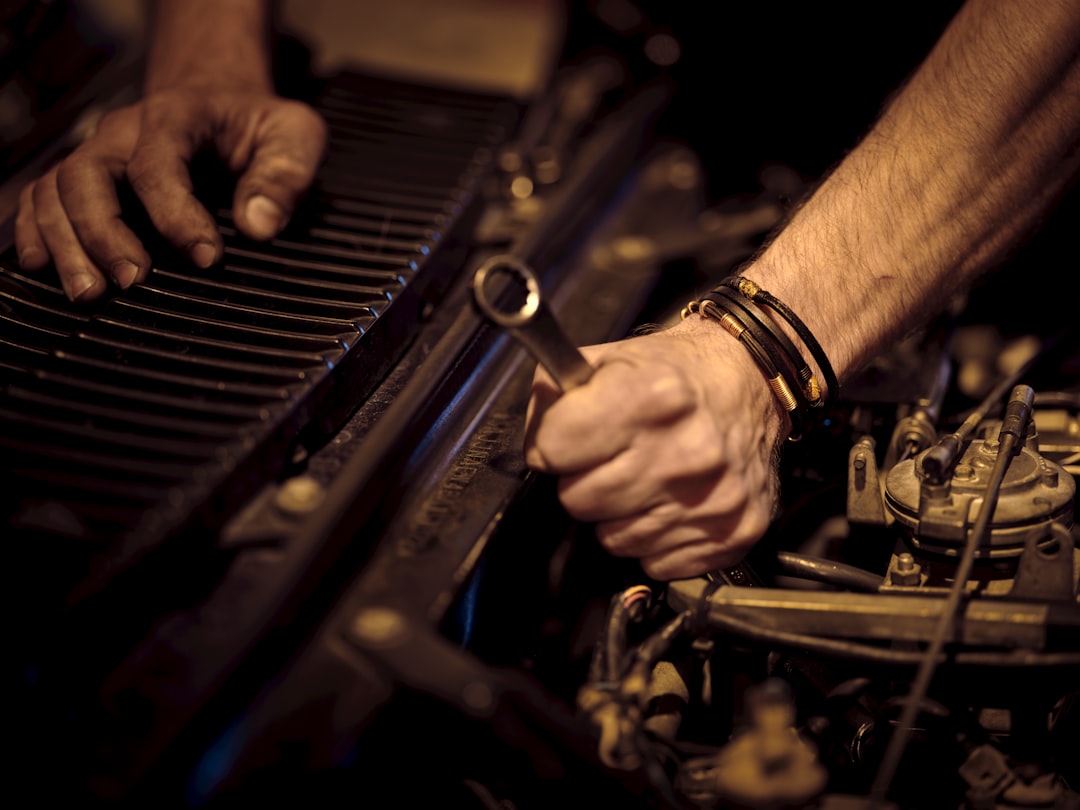
When selling your car in Melbourne, you're legally required to provide a Roadworthy Certificate (RWC). Think of it as a green light from the government saying your car's safe to drive. It's not just about ticking boxes; it’s a thorough check-up ensuring your vehicle meets the minimum safety standards. Without it, you can't legally hand over the keys to a new owner.
Getting your RWC isn't a suggestion—it's a must. If you skip this step, you're inviting trouble. Legal headaches. Fines. Maybe even a sale falling through. So, it pays to get it sorted, and fast.
Now, for sellers in a hurry, Melbourne's got a bunch of licensed testers. These pros can inspect your car and issue that all-important certificate. The process includes checking your brakes, lights, tyres—essentially, if it affects safety, it gets scrutinised.
For buyers, insisting on an RWC before purchase is smart. It's not just about peace of mind; it's about knowing that the car meets the VicRoads standards. Looking for a reliable mechanic in Clayton for a | Find details about | Vehicle owners searching for roadworthy certificate inspections in Clayton by visiting the Ultra Tune Clayton Clayton workshop page where you can find details about car servicing and vehicle checks.. And if you're transferring registration, you guessed it, you'll need that RWC too.
Here's the thing: don't wait until the last minute. Booking your inspection should be top of the to-do list. Testers are busy, and you don't want to be left waiting. Plus, if your car fails the inspection, you'll need time to fix the issues. Rushing can lead to mistakes, and that's when things get missed.
Remember, an RWC is only valid for 30 days from the date of issue. So timing is everything. Get your inspection done too early, and you might have to do it all over again.
Bottom line: A Roadworthy Certificate is your ticket to a smooth sale in Melbourne. Get it early, get it right, and you'll be handing over the keys in no time.
Right, let's get to it. You're in Melbourne, and you've got a car you're itching to sell. But hold up – you need that roadworthy certificate (RWC) before you can legally pass on the keys. Don’t sweat it. Here's your checklist to make sure your pre-sale vehicle inspection doesn't hit any snags.
First up, give your car the once-over. Sounds simple, but it’s crucial. Check all the lights – headlights, indicators, brake lights, and interior lights. They've all gotta work. Next, tyres. They shouldn't be bald like an eagle's head; there needs to be at least 1.6mm of tread depth across the entire tyre. Don’t forget to look at your windscreen wipers too. If they're leaving streaks, replace them before the inspection.
Now, pop the hood. Is the engine oil blacker than a moonless night? Change it. If your coolant's looking sketchy, flush and refill. And while you’re staring into the engine bay, make sure there are no obvious leaks or loose wires. They can be instant red flags.
Inside the car, secure all the seats and belts. If a seat wobbles or a belt frays, that’s a fail waiting to happen. Honk the horn; it’s a simple thing, but if it doesn't honk, you're stuck.
Documentation – have it all on hand. Service records, registration, insurance. The inspector isn't going to play detective to find your car's history. And don’t forget to clean your car. It's not just about looking pretty; it's about showing you take care of your ride.
Miss these steps, and you’re asking for delays. Inspectors are thorough. They’ll catch the slip-ups. And each hiccup could mean another appointment, another day gone. So, take the hour, run down the list, and get it done right. Your buyer's waiting, and so is that sweet sale.
Finding a licensed vehicle tester in Melbourne is the first step. Make sure they're accredited by VicRoads to conduct roadworthy inspections. It's essential. An unlicensed inspection won't hold up in a sale, and that's a headache you don't want. Check their credentials online or ask to see their certification. It's not just about being legal; a licensed tester has the training to spot issues you might miss. That's peace of mind.
Urgency can be a game changer. Some testers offer same-day service, perfect when you're pressed for time. But here's the catch: it might cost more. Weigh the options. Is the extra cost worth the saved time? Decide what's critical for your situation. Remember, a rushed job could miss crucial details, so ensure the tester is thorough despite the quick turnaround. A fast but incomplete inspection is a false economy.
It's not uncommon for sellers to overlook small details that can fail an inspection. Worn tires, faulty lights, and even dirty windows can lead to a failed roadworthy certificate (RWC). Before the tester arrives, do a once-over. Replace that blown bulb. Check your tire tread. These small fixes can prevent delays and ensure a smooth inspection. It's the little things that can trip you up.
Skipping the roadworthy certificate isn't an option. It's a legal requirement for selling a car in Victoria. Without it, you could face fines or legal disputes post-sale. It confirms the vehicle's safety for the roads and the next owner. So, get it done right. A thorough RWC inspection can reveal issues that, if left unchecked, could make you liable. It's about protecting yourself as much as the buyer.
Once you pass the inspection and have the RWC, you're not done. Keep the certificate safe; you'll need it for the sale. And remember, it's only valid for 30 days. If the car doesn't sell within that time, you'll need a new inspection. It's a tight window, but it ensures the car's condition is current. Now, with the RWC in hand, you're ready to sell. Confidently and legally.
Before you even think about scheduling a pre-sale vehicle inspection in Melbourne, there's homework to be done. And by homework, I mean gathering a stack of documents. Not the most exciting task, but it's crucial. You want a smooth sale, right? So, let's get those papers in order.
First off, dig out your car's service history. Every oil change, tire rotation, and brake pad replacement should be in there. It's proof that you've taken care of your ride. Inspectors and buyers love a well-maintained car. It shows you're not just offloading a heap of problems.
Next, you need the vehicle registration certificate. This one's a no-brainer. It's the official ID for your car. No registration, no sale. Simple as that. And while you're at it, make sure your registration is still valid. You can't pass on an expired rego.
Got any repair receipts? Collect those too. They tell the story of what's been fixed or replaced and when. If you've got a new transmission or a recent paint job, flaunt it. It could bump up your car's value.
Now, don't forget the owner's manual. It might not seem like a big deal, but it's part of the package. It has all the specs and how-tos for your car. Handy for the next owner, and it's another sign you're handing over a complete, well-cared-for vehicle.
If you're missing any of these, start tracking them down now. It can take time, and time is money, especially when you're eager to sell. Without these docs, the inspection can hit a snag, and snags lead to delays. And who needs that? Not you, that's for sure.
A pre-sale inspection is about more than kicking tires and checking under the hood. It's about proving your car's worth, legally and mechanically. So get those papers sorted. It's the first step to a successful, headache-free sale.
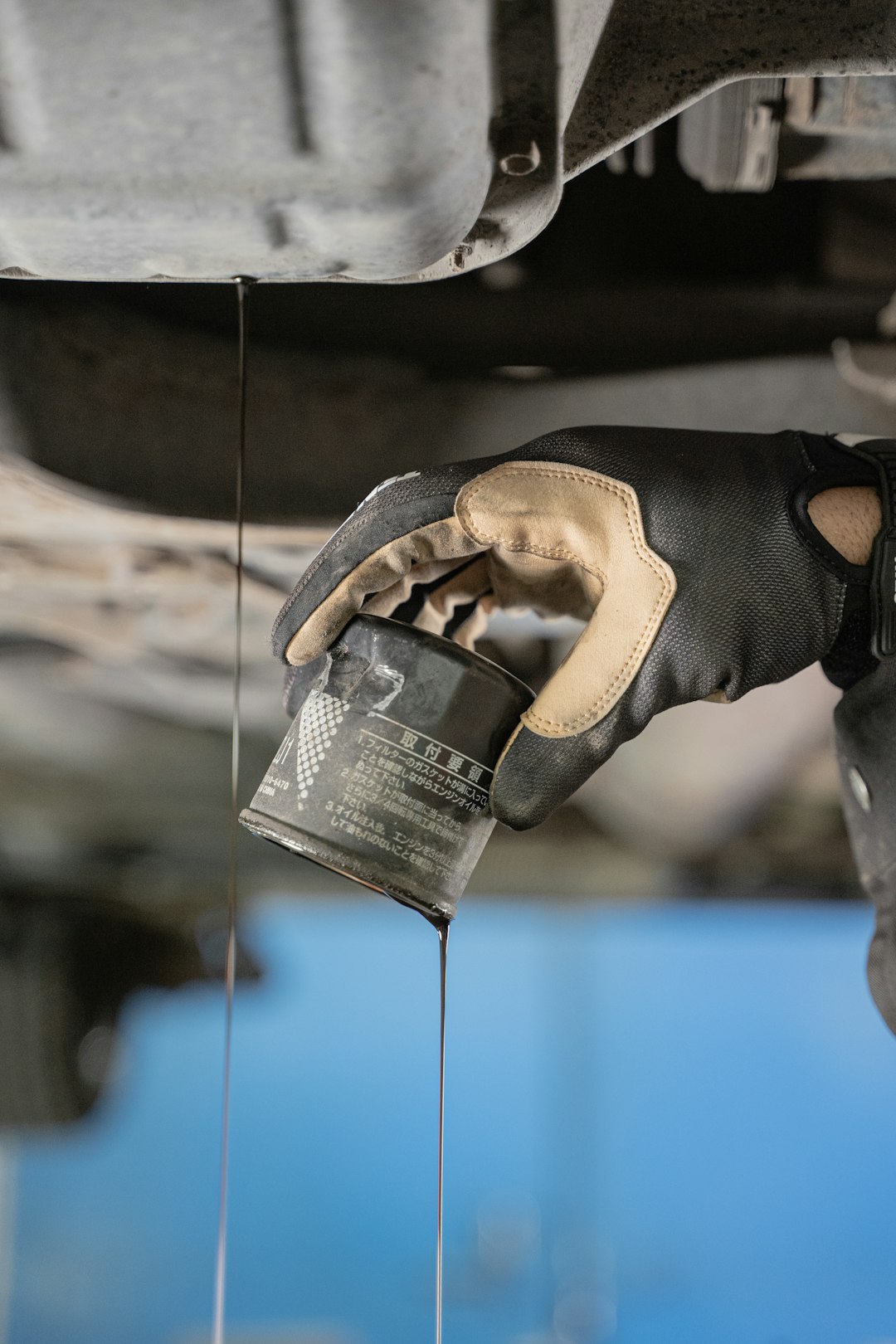
Time is money, right? When you're gearing up to sell your car in Melbourne, that roadworthy certificate (RWC) isn't just a piece of paper—it's your green light for the sale. But how do you get it fast when every hour counts?
Here's the deal: Melbourne's got a range of services that can speed up your pre-sale vehicle inspection. Mobile inspectors, for starters, can come to you. They'll check your car on the spot, saving you the hassle of a garage visit. Just make sure they're fully licensed to issue that vital RWC.
Key Points to Remember:
Then there are express inspection services. Some garages offer priority inspections for an extra fee. It's like jumping the queue at your favorite brunch spot, but for your car. You pay more, sure, but if you're in a pinch, it's worth it.
And let's talk about booking systems. Many inspection centers have online scheduling. Use it. Booking in advance can shave off precious waiting time. Plus, it's easier to slot an inspection into your tight schedule.
But remember, a rushed job can miss important details. Ensure the service you choose has a good rep for thorough checks. A dodgy RWC can backfire, with legal headaches or a failed sale.
What if you're buying or transferring a car? The same services apply. Get that pre-purchase inspection or ownership transfer check done fast, but done right. After all, nobody wants to buy a lemon or get tangled in red tape.
Bottom line: Melbourne’s got options. Use them wisely. A quick RWC shouldn't mean cutting corners. It's about finding that sweet spot where speed meets meticulousness. Because in the end, the goal is a smooth sale, not a bumpy legal battle.
When you're gearing up to sell your car in Melbourne, snagging that Roadworthy Certificate (RWC) is a must. It's not just a piece of paper; it's peace of mind for buyers and a legal tick for you. But, let's be honest, the process can feel like a snag in your timeline if you're not on the ball.
First up, don't skip the basics. Ensure your lights, tyres, brakes, and windscreen are in tip-top shape. These are the usual suspects that fail you during inspection. A blown bulb or worn tyre tread? That's an easy fix beforehand, but a delay if spotted by the inspector.
Key Inspection Areas:
Documentation. Have it ready. Your vehicle's history, service records, and any repair invoices should be on hand. Inspectors aren't fond of guesswork. They want evidence that the car's been cared for. No paperwork, no go. It's that simple.
Cleanliness might seem trivial, but it speaks volumes. A clean vehicle allows for a thorough inspection. Plus, it suggests you've been a responsible owner. A car that looks like it's been through a dust storm? It might raise eyebrows and slow things down.
Timing is everything. Book your inspection early. Workshops can get swamped, and if you're racing against the clock, you'll feel the pressure. Last-minute rushes are a recipe for oversights.
Finally, be present during the inspection if possible. Questions pop up. If you're there to answer them, you avoid the back-and-forth that can drag the process out.
Remember, the goal is to move from point A (your car in the driveway) to point B (sale complete, cash in hand) as swiftly as possible. The RWC isn't just a hurdle. It's a vital step in ensuring that the new owner drives away without a hitch, and you walk away without a worry.
Alright, when you're staring down the barrel of a tight deadline and need that Roadworthy Certificate (RWC) in Melbourne, like yesterday, it's time to get cracking. Here's the deal: you need to get your vehicle inspected by a licensed vehicle tester. This isn't just a formality; it's a legal must if you're selling your car, transferring ownership, or re-registering a vehicle in Victoria.
First things first, look for licensed testers near you. Time's ticking, and you don't want to trek halfway across Melbourne. Now, some places might be booked solid for days. Don't panic. Call around. Explain your urgency. Often, workshops understand the rush and might squeeze you in between appointments. Just remember, sweet-talking the receptionist can go a long way.
Once you've secured a slot, ensure your car is presentable. We're talking basic maintenance here—top up the fluids, check the lights, tyres, brakes, the works. A well-maintained vehicle can speed up the inspection because it's less likely to have issues that need a second look.
Before the inspector dives in, let them know your timeline. Some might prioritize your vehicle, especially if they're aware of your tight schedule. They're humans too, after all. But keep in mind, a thorough inspection can't be rushed too much. Safety's at stake, and no one wants to cut corners there.
If your car fails the inspection, get a clear rundown of what went wrong. Time is of the essence, so ask for a prioritized list of what to fix first to meet the RWC requirements. And here's a pro tip: some repair shops can do the repairs and re-inspect your vehicle, saving you time on a second visit.
Remember, a RWC ensures that your vehicle is safe for the road, not just for you, but for the buyer and everyone else out there. So, while it's a race against the clock, it's also not something to skimp on. Get it done right, and you'll be handing over the keys in no time.
After your vehicle's pre-sale inspection in Melbourne, you'll likely have a list of repairs to tackle before securing that Roadworthy Certificate (RWC). Time is of the essence, and managing these repairs efficiently can make a world of difference.
First, prioritize. Your inspector's report will detail all issues, but not all are equally urgent. Focus on safety-related repairs that affect roadworthiness—think brakes, tires, lights, and steering components. Cosmetic fixes can wait if you're tight on time or budget.
Key Repair Priorities:
Second, be strategic about where you get repairs done. If the inspection wasn't at an authorized service center, you might want to take the vehicle back to one. They're familiar with the RWC requirements and often can address multiple issues under one roof. Plus, they're used to working within tight timelines.
Don't ignore the small stuff. Even minor issues like a malfunctioning seatbelt or a small crack in a light cover can fail you. It's the details that often trip people up.
And here's a pro tip: Keep all receipts and documentation of repairs. This shows a clear history of your commitment to vehicle safety and can smooth out the final inspection process.
Communication is key. Stay in contact with your mechanic to understand the timeline and extent of repairs. Delays can happen, and parts can be hard to find. If you're informed, you're in a better position to make decisions or seek alternatives.
Lastly, remember that while quick fixes may seem appealing, shoddy work can lead to failure upon re-inspection. It's better to get it right the first time. If you're selling, it's not just about legality; it's about passing on a safe vehicle to the next owner. And that's something to take seriously.
If you're in Melbourne and gearing up to sell your car, or you're buying one and need that assurance, getting a Roadworthy Certificate (RWC) fast can be a game-changer. It's not just a piece of paper; it's your ticket to a legit sale and peace of mind. By law, sellers must provide an RWC before the sale is finalized. Without it, you're stuck in a legal limbo, and nobody wants that.
Let's get down to brass tacks. The RWC confirms your vehicle meets minimum safety standards. It's not about perfection but ensuring the car's safe to take on the road. For sellers, this means fixing up any major issues before inspection. For buyers, it’s about verifying that the car you're eyeing isn't a lemon.
Here's the practical bit. You need a licensed vehicle tester, and in Melbourne, there's no shortage. But, time is money, right? You're looking to line up a buyer or close a deal, so you want this done yesterday. That's where expedited RWC checks come in. Some testers will prioritize your inspection for an extra fee. Yes, it's an additional cost, but it paves the way for a quicker sale.
Common slip-ups? Missing the inspection window. You've got seven days from the issued date to transfer registration. Miss it, and you're doing the inspection dance all over again. And here’s a tip: make sure your car's clean and accessible. Testers aren’t going to wade through last week's fast food wrappers to check your seatbelts.
Remember, an RWC isn't just a box to tick. It's a crucial step in a vehicle's life story, ensuring you're not handing over a ticking time bomb or buying one. So, get it sorted, do it right, and you're all set for a smooth ride in the world of private car sales.
Getting your vehicle roadworthy certified in Melbourne doesn't need to be a drawn-out affair. With online resources, it's a bit like having a fast-forward button. Here's how to use them effectively.
First, understand the why. A roadworthy certificate (RWC) is a must-have for selling your car privately in Victoria. It's the law. Without it, you're inviting legal headaches and stalling the sale process. And it's not just for sellers. Buyers, those transferring ownership, and drivers needing a swift inspection also need to tick this off their list.
Key Points to Remember:
Now, for the how. Time is of the essence, right? Melbourne's digital landscape offers a wealth of websites and platforms where you can locate licensed vehicle testers near you. These are professionals authorized to inspect your car and issue that all-important RWC. No need to thumb through a directory or wait on hold. A simple search can bring up a list of nearby authorized inspectors.
When to do it? Sooner rather than later. Don't leave it until the last minute. Some inspections might reveal issues that require fixing before you can get your certificate. Give yourself a buffer to address any potential hiccups.
Avoid common pitfalls. Don't just pick any tester. Look for reputable ones with solid reviews. And don't assume your car will pass without a hitch. Be realistic about its condition. Address obvious problems before the inspection.
And the consequences of cutting corners? They're not pretty. A botched RWC can lead to failed sales, wasted time, and even fines. So, do it right. Use the tools at your fingertips to find a licensed tester. Schedule your inspection. And get that certificate in hand for a smooth sale or transfer. It's straightforward when you know the steps.


A motor vehicle service or tune-up is a series of maintenance procedures carried out at a set time interval or after the vehicle has traveled a certain distance. The service intervals are specified by the vehicle manufacturer in a service schedule and some modern cars display the due date for the next service electronically on the instrument panel. A tune-up should not be confused with engine tuning, which is the modifying of an engine to perform better than the original specification, rather than using maintenance to keep the engine running as it should.
The completed services are usually recorded in a service book or digital service record upon completion of each service. A digital service record is an online record of a vehicle's maintenance history.[1] A complete service history usually adds to the resale value of a vehicle.
Difference between major and full service: a major service is more comprehensive than a full service; although it covers all the same checks that a full service does, a major service will be more detailed and will include more replacements of wearable parts, such as pollen filters, and changing brake fluid if required.
As a guideline, minor car services are carried out every 10,000 to 15,000 kilometres (6,200 to 9,300 miles), and major car services every 30,000 to 45,000 kilometres (19,000 to 28,000 miles) – or every twelve months, whichever comes first.

The actual schedule of car maintenance varies depending on the year, make, and model of a car, its driving conditions, and driver behavior. Carmakers recommend the so-called extreme or the ideal service schedule based on impact parameters such as
Service advisers in dealerships and independent shops recommend schedule intervals, which are often in between the ideal or extreme service schedule.
In addition, drivers may be penalized for not regularly servicing their cars. For example, in many states in the U.S., a car has to pass a safety inspection test every year or two years to remain legal, and can incur fines for continuing to drive cars that have failed.[2]
Maintenance tasks commonly carried out during a motor vehicle service include:
Mechanical parts that may cause the car to cease transmission or prove unsafe for the road are also noted and advised upon.
In the United Kingdom, few parts that are not inspected on the MOT test are inspected and advised upon a Service Inspection, including clutch, gearbox, car battery, and engine components (further inspections than MOT).
| National | |
|---|---|
| Other | |
 |
This article needs additional citations for verification. (August 2024)
|

A mechanic at a steam pump in an electric power house, 1920, (from a photo study for the Works Progress Administration (WPA)).
|
|
| Occupation | |
|---|---|
|
Occupation type
|
Skilled trades |
|
Activity sectors
|
Repairing |
| Description | |
|
Education required
|
Apprenticeship |
|
Related jobs
|
Repairperson |
A mechanic is a skilled tradesperson who uses tools to build, maintain, or repair machinery,[1] especially engines. Formerly, the term meant any member of the handicraft trades, but by the early 20th century, it had come to mean one who works with machinery.[2]
Most mechanics specialize in a particular field, such as auto body mechanics, diesel mechanics, air conditioning and refrigeration mechanics, auto mechanics, bicycle mechanics, boiler mechanics, race car mechanics, aircraft mechanics, and other areas. There are also mobile mechanics who perform onsite work.[3]
A mechanic is typically certified by a trade association or regional government power. Mechanics may be separated into two classes based on the type of machines they work on, heavyweight and lightweight. Heavyweight work is on larger machines or heavy equipment, such as tractors, construction equipment, and trailers, while lightweight work is on smaller items, such as automobiles.


Automotive mechanics have many trades within. Some may specialize in the electrical diagnosis, while others may specialize in the mechanical aspects. Other mechanical areas include: brakes and steering, suspension, automatic or manual transmission, engine repairs, auto body repairs, or diagnosing customer complaints.
Automotive mechanics require many years of training to become licensed. Countries like Canada have a governmental certification body that tests and maintains automotive mechanics' qualifications.[7] The United States of America uses an organization that is called ASE.[8] This organization provides independent testing of an automotive mechanic's skills with over 57 different tests that can be taken.


| International | |
|---|---|
| National | |
| Other | |
